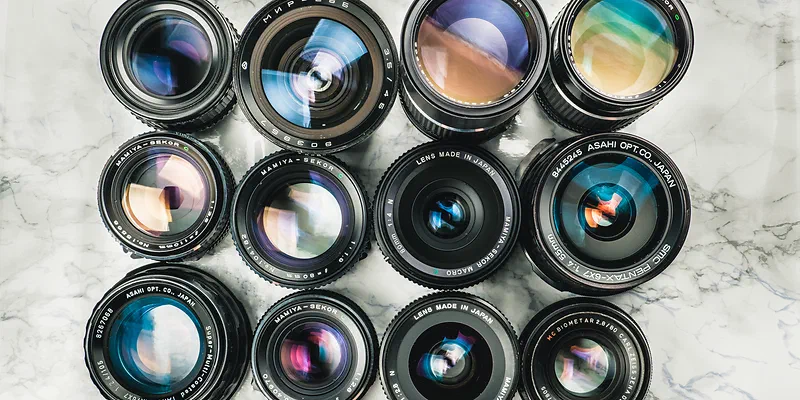
Note: People have written to me that some of these lenses might be bad copies. Keep that in mind when you look at this test and compare it to other lens tests online.
Over the years I’ve bought a lot of older medium format cameras and lenses, both to shoot film and to use with my Fotodiox Rhinocam adapter on my Fujifilm X cameras (I’ll write more about the Rhinocam soon). But how do they compare to each other, and how do they compare to modern lenses? I made this test to find out.

The test
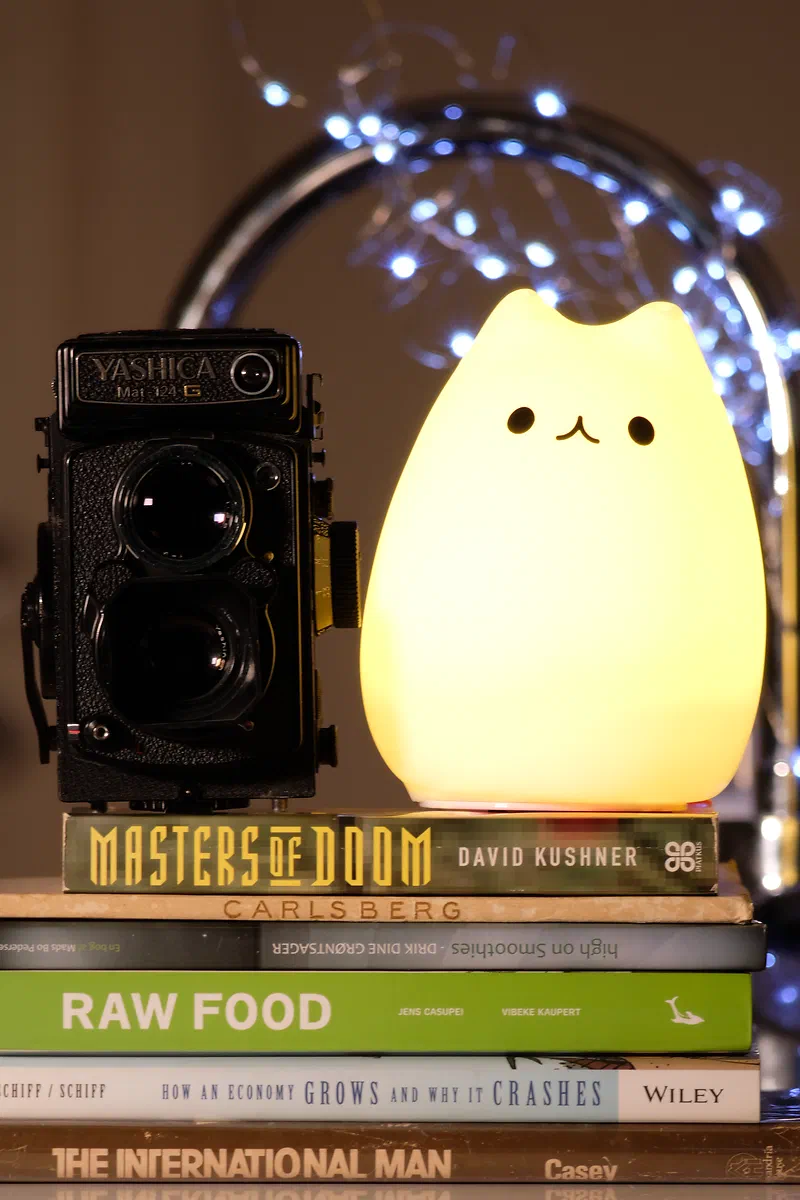
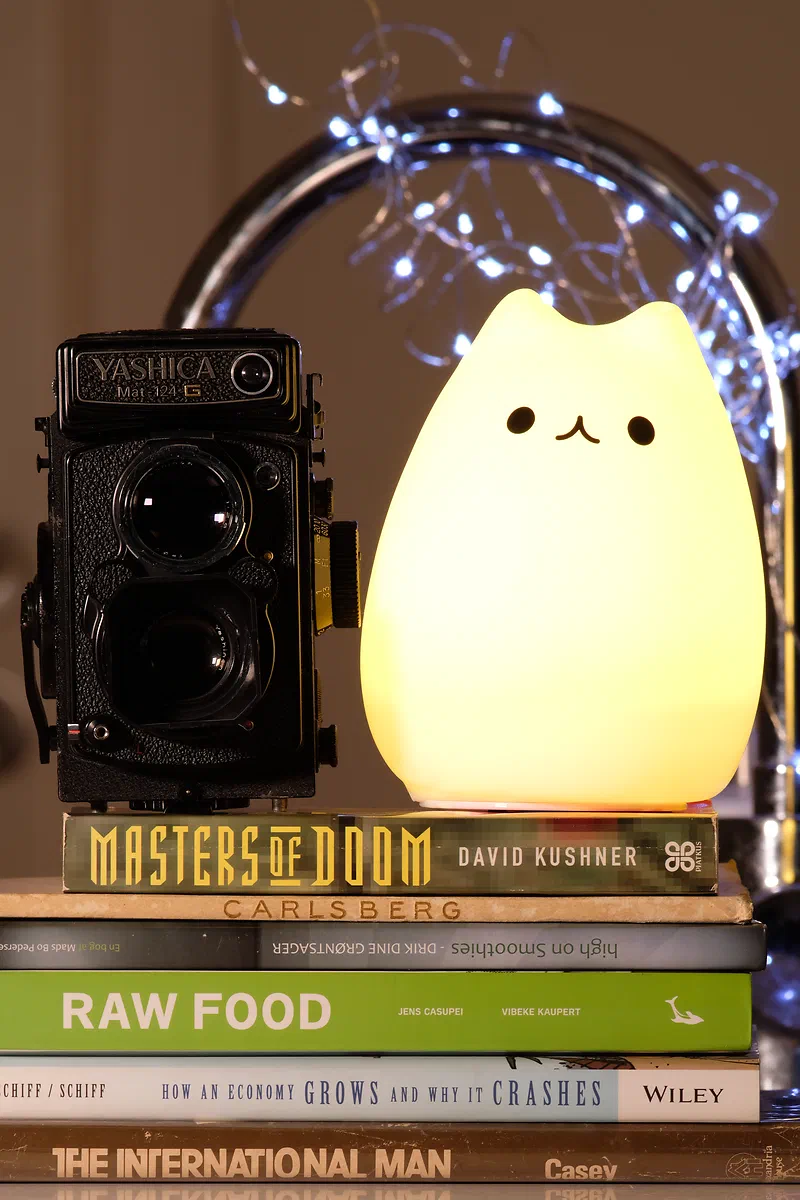
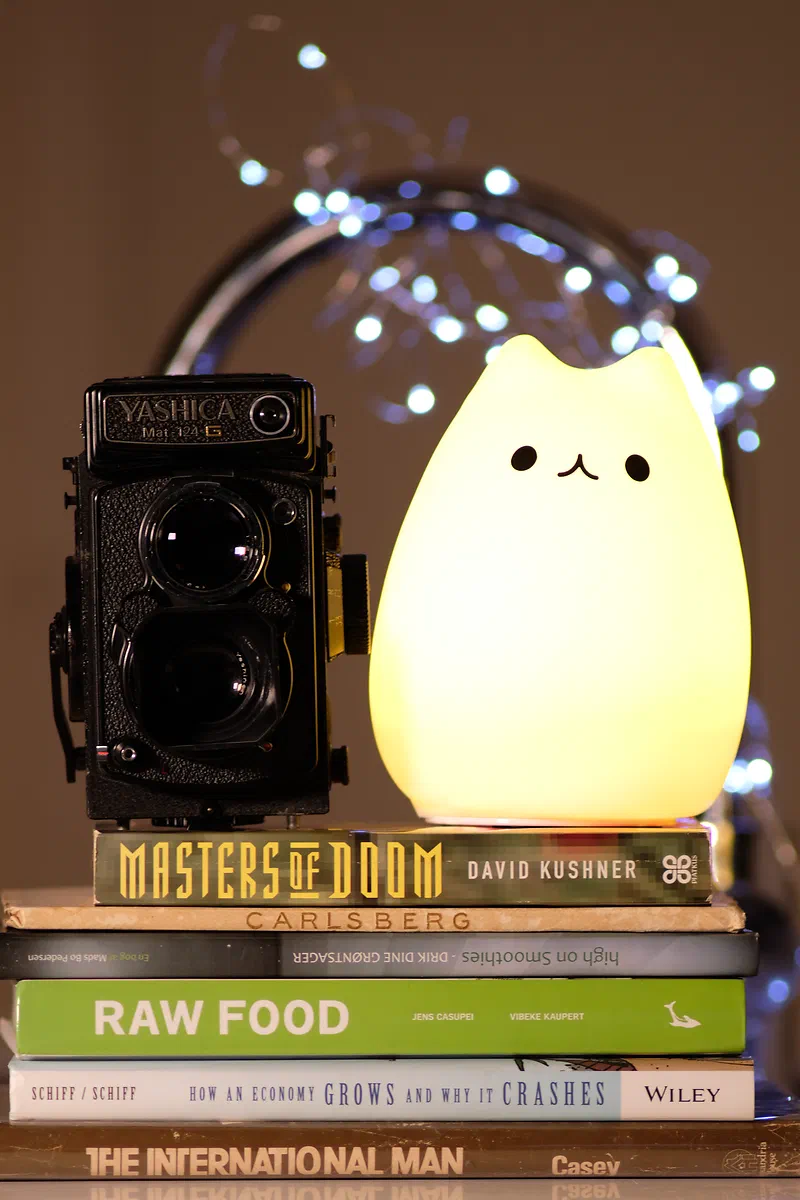
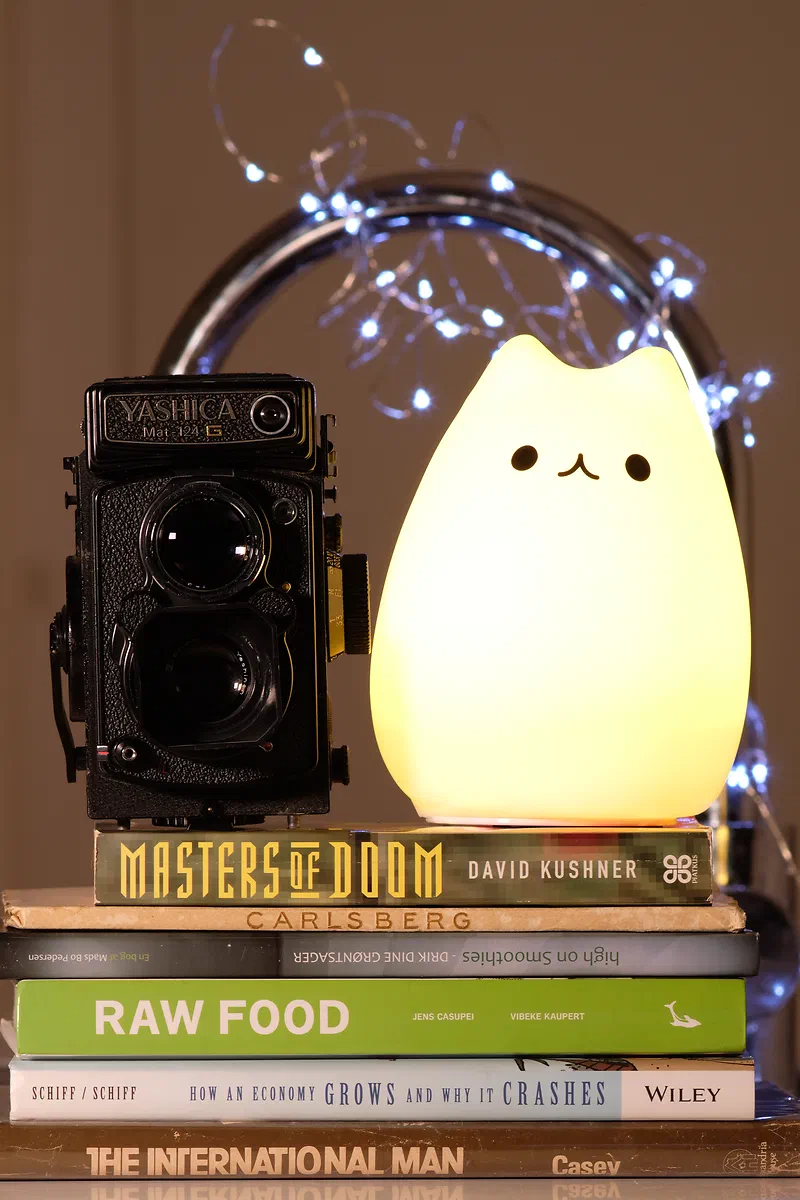
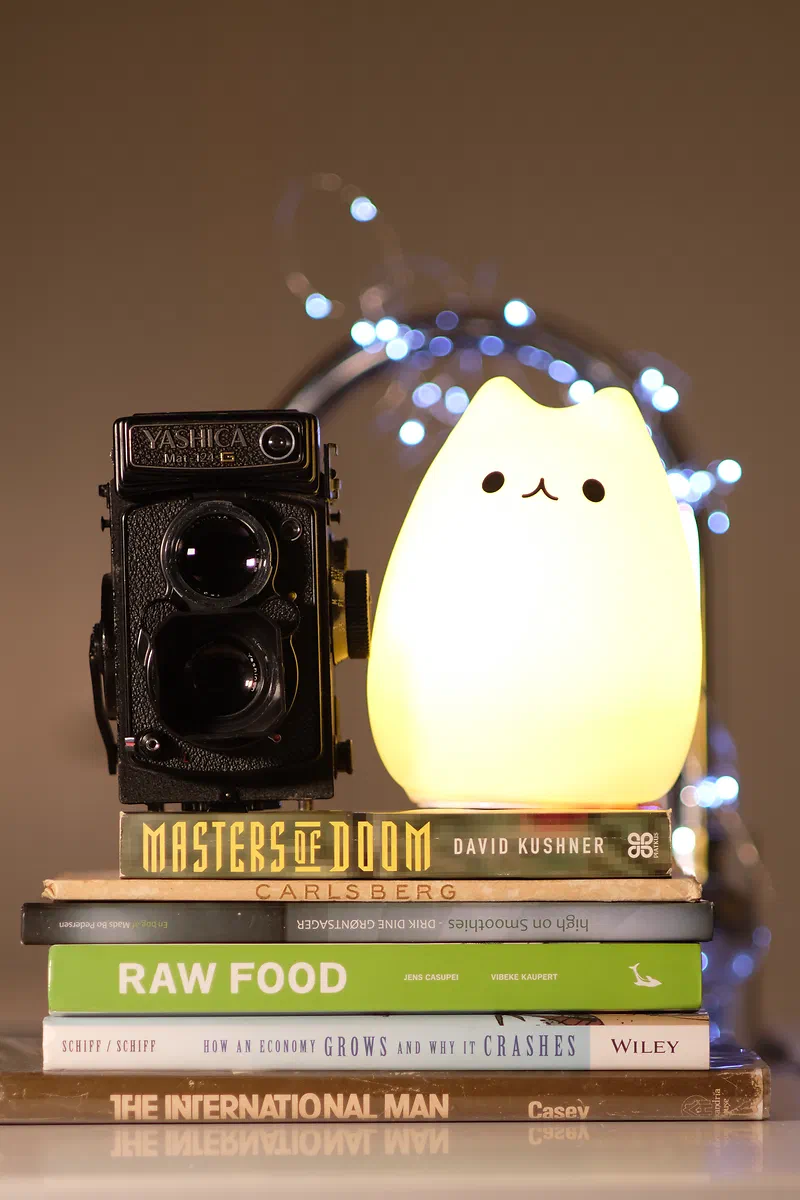
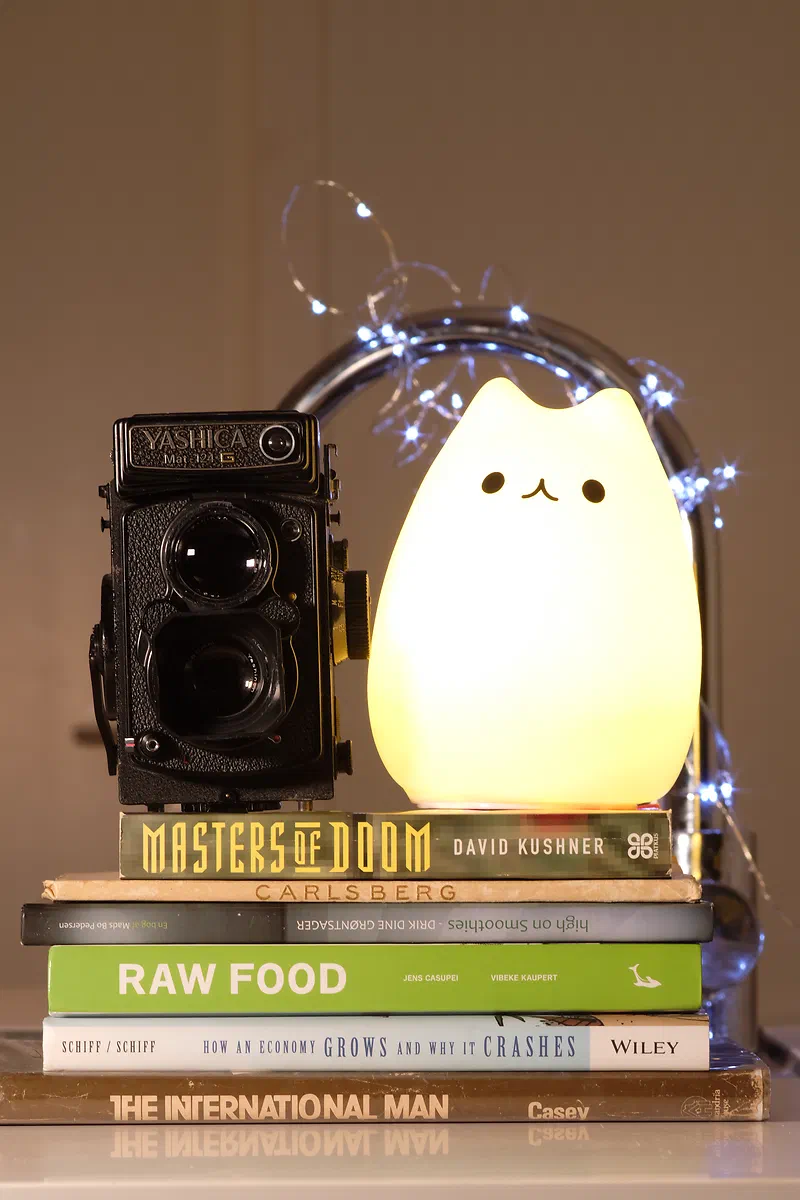
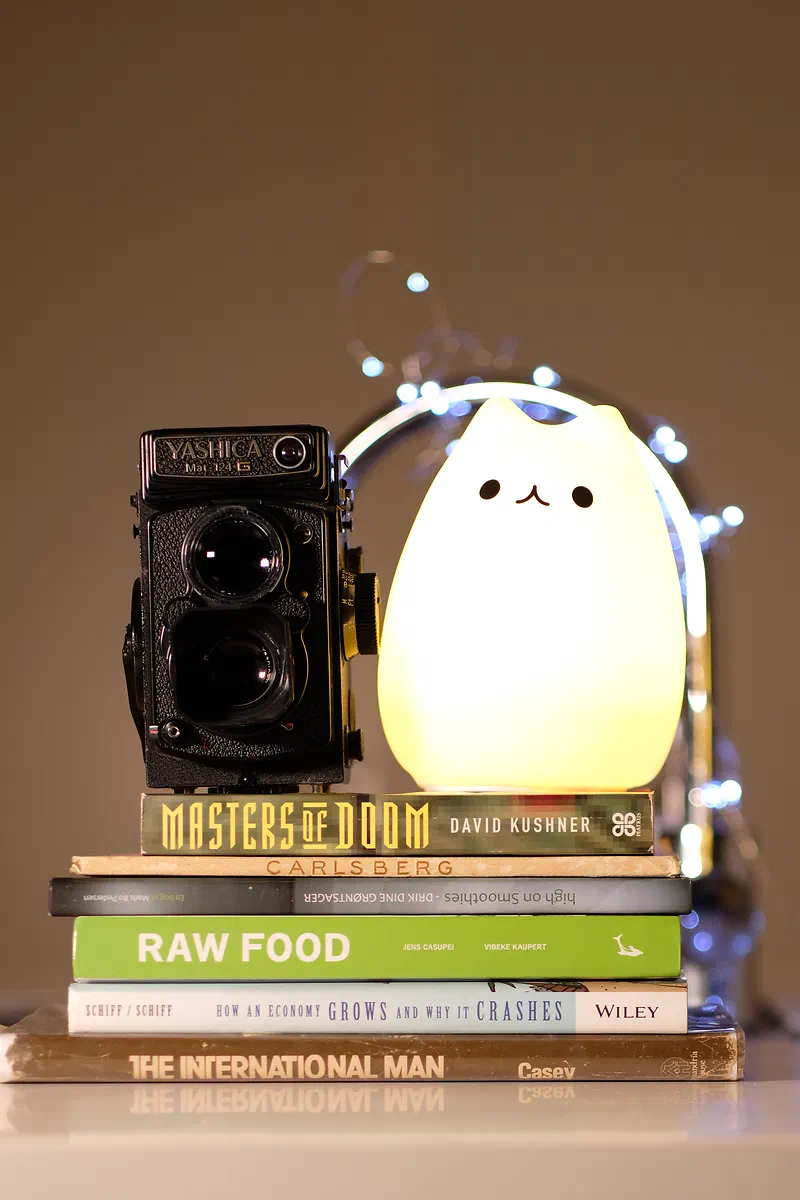
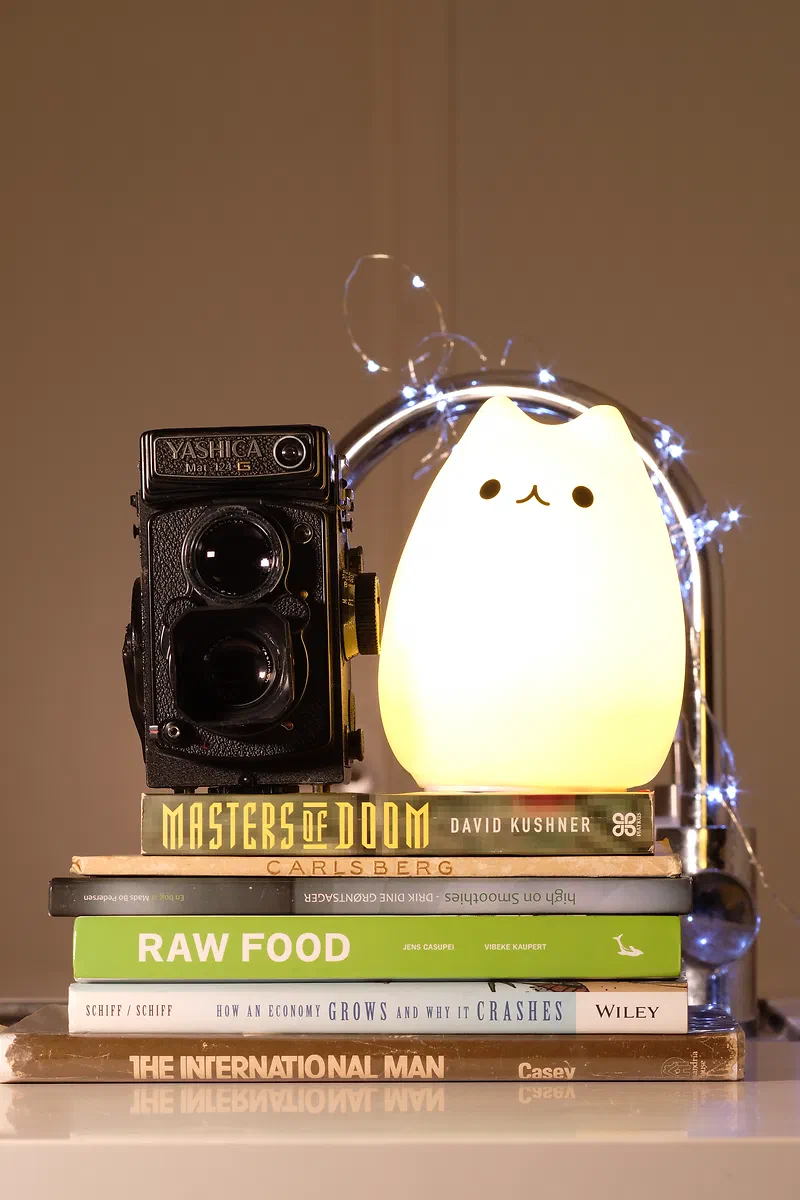
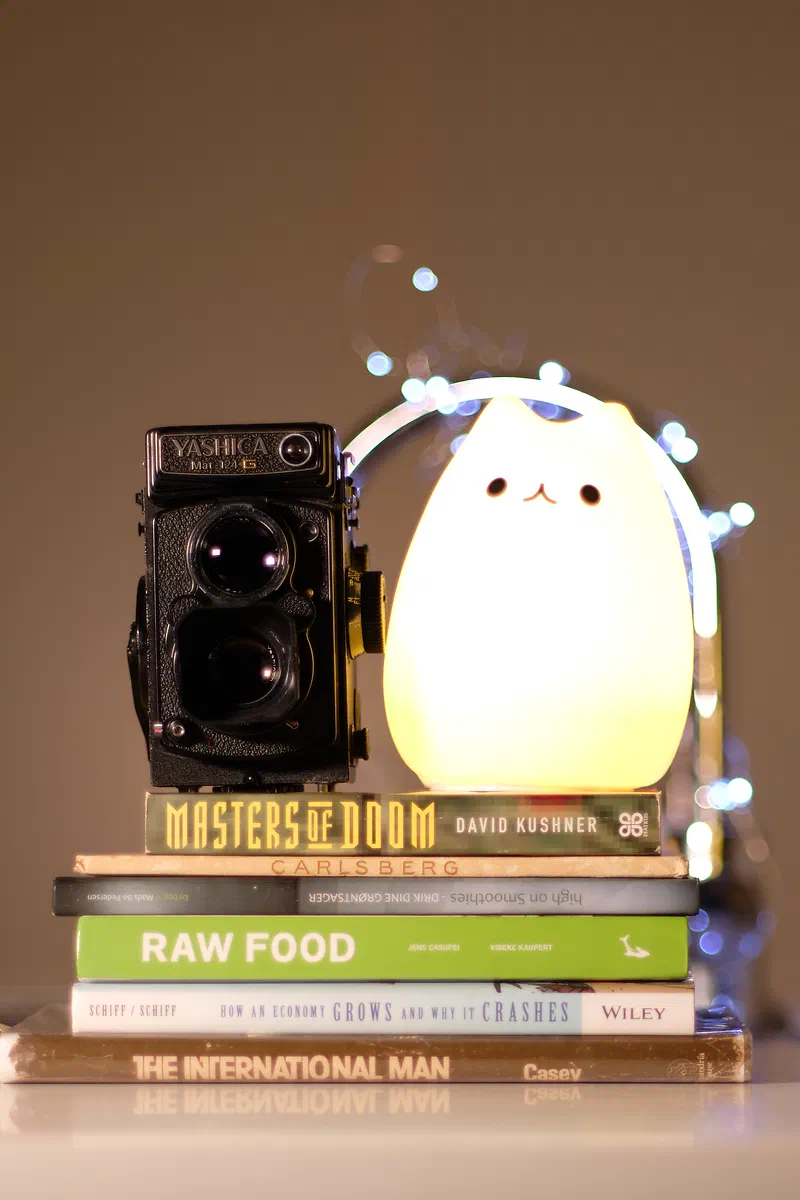
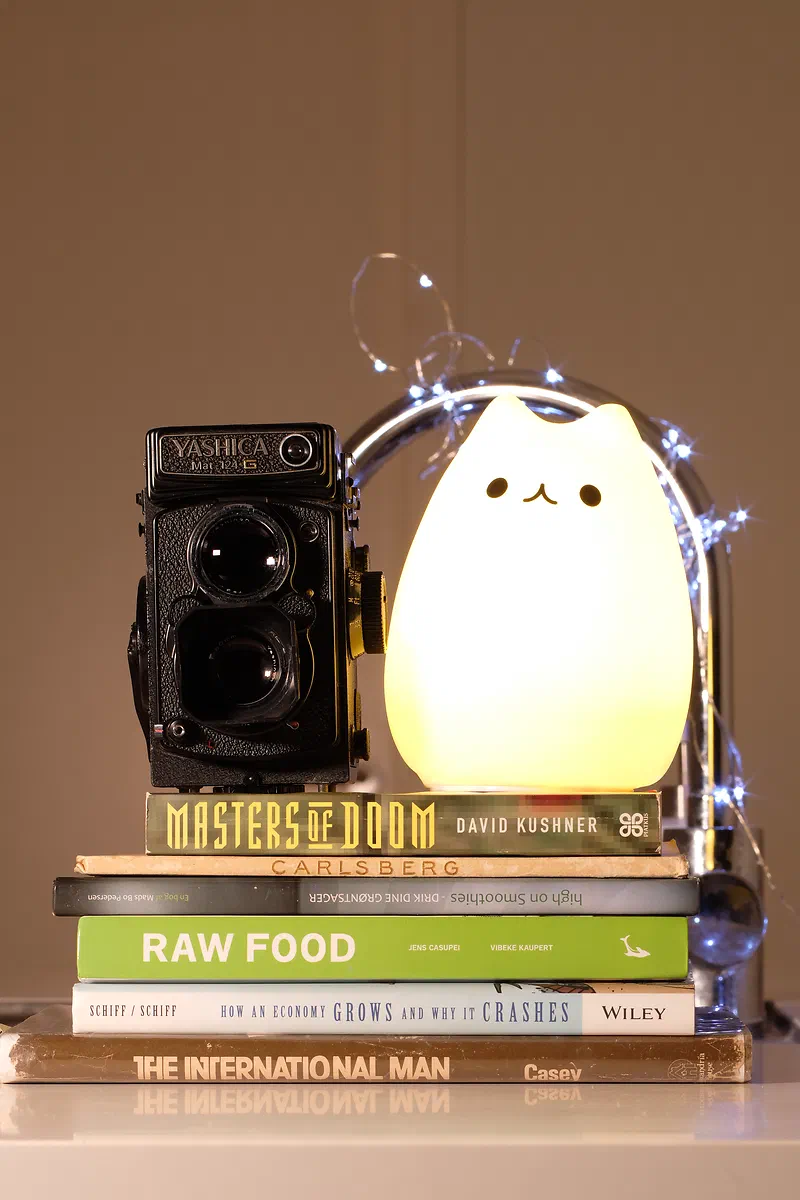
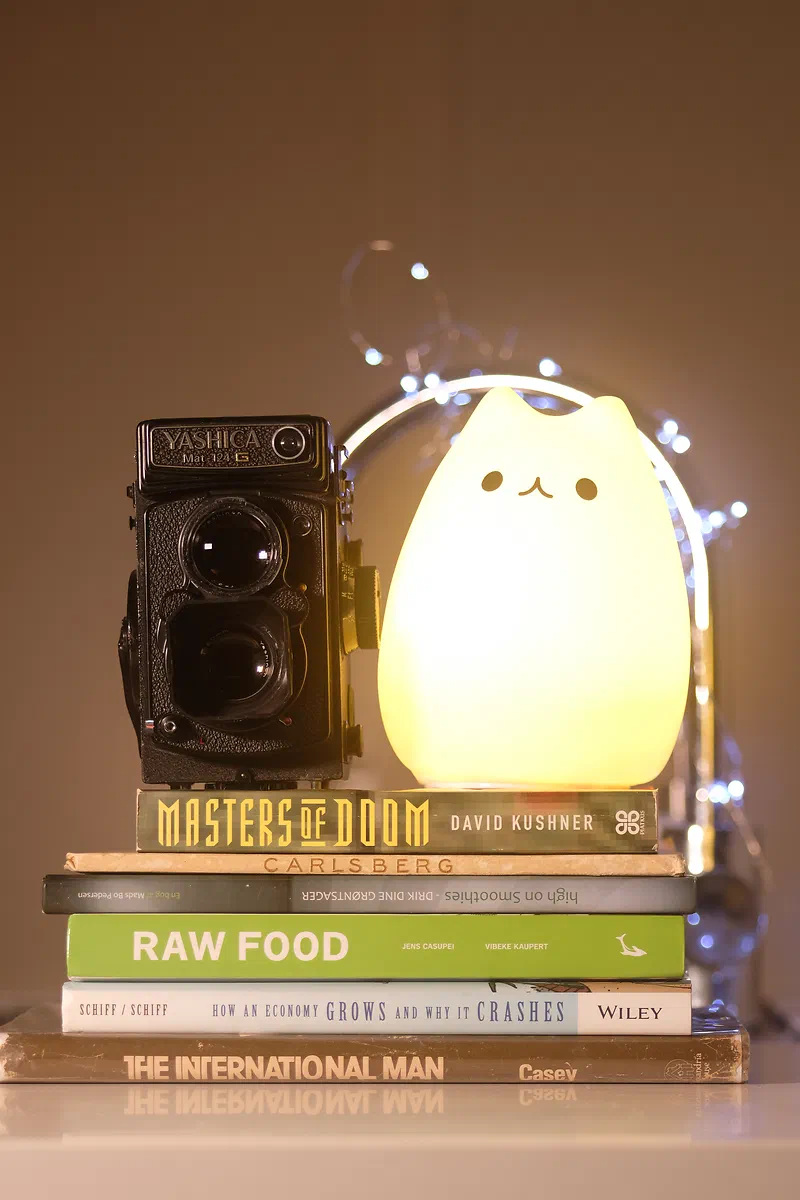
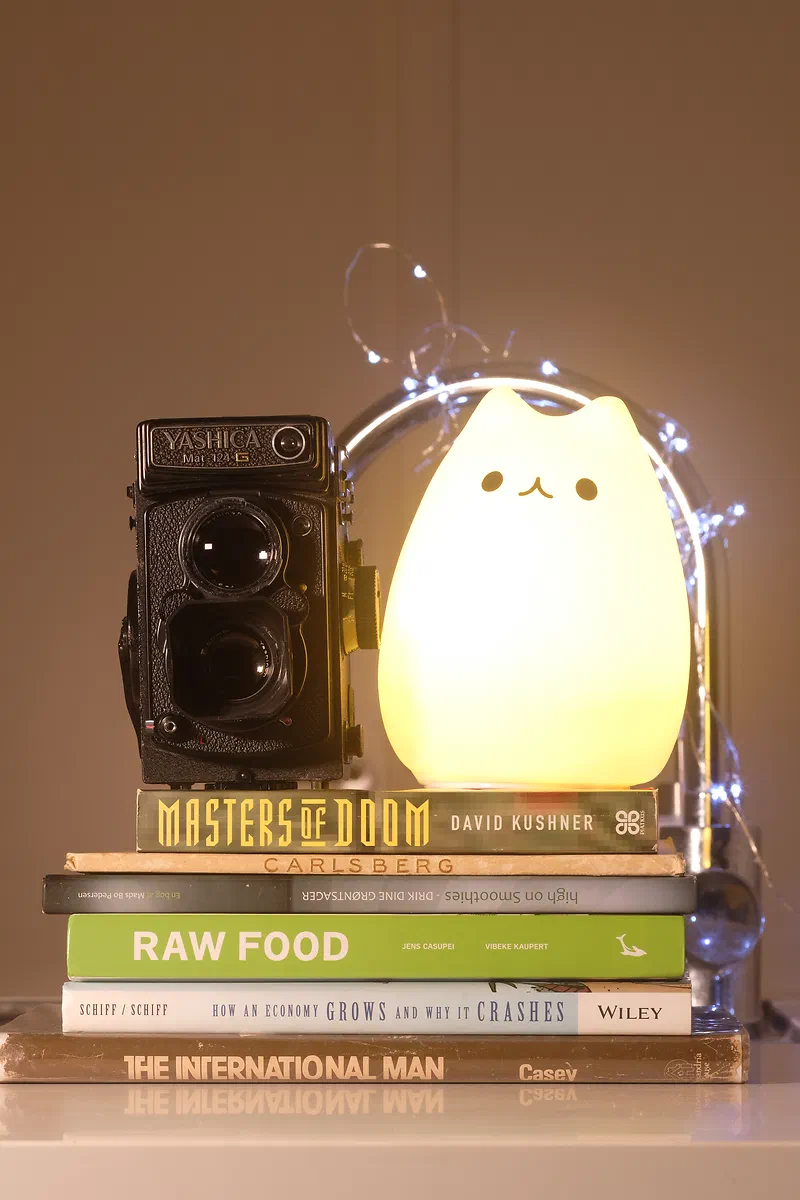
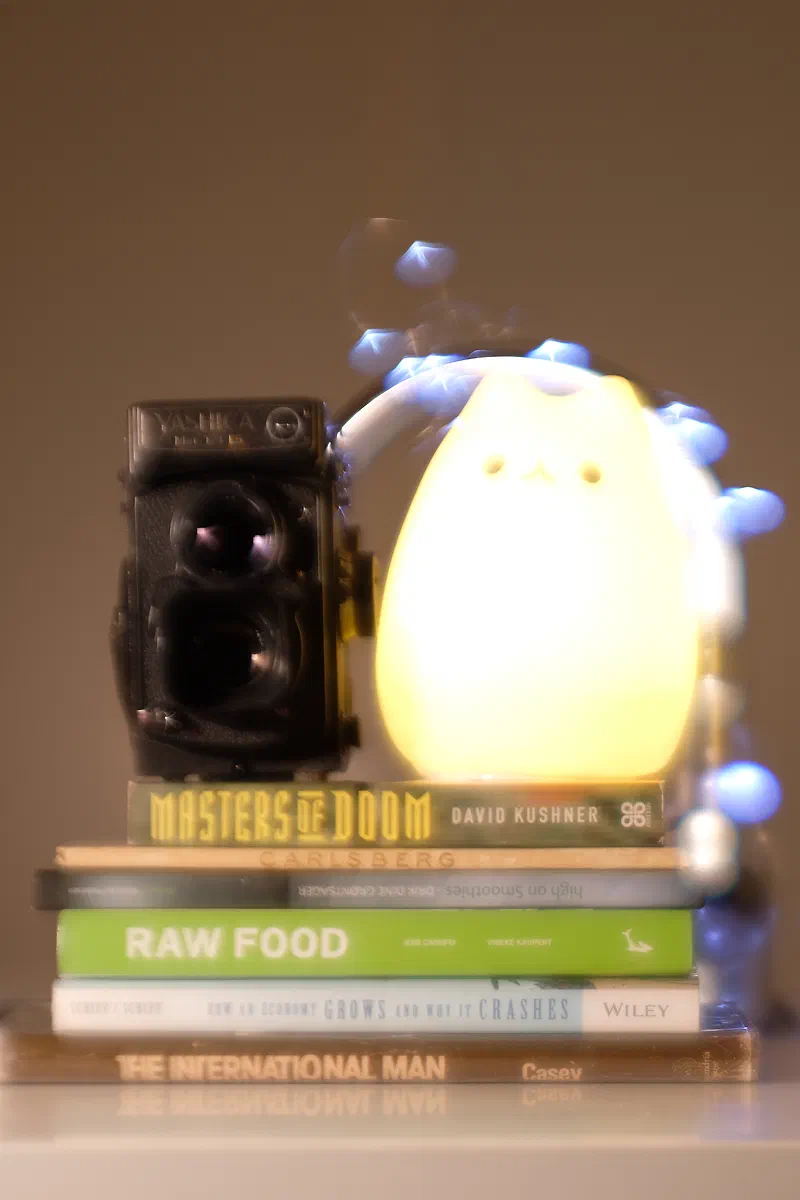
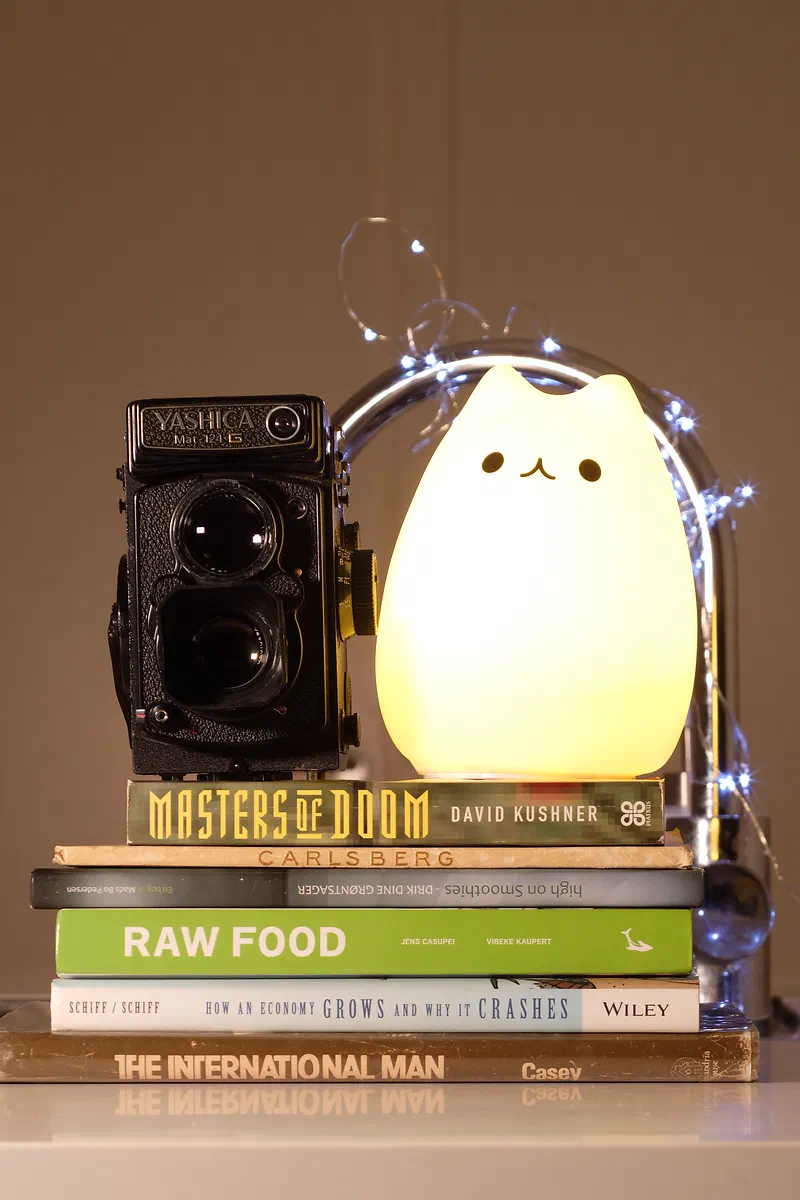
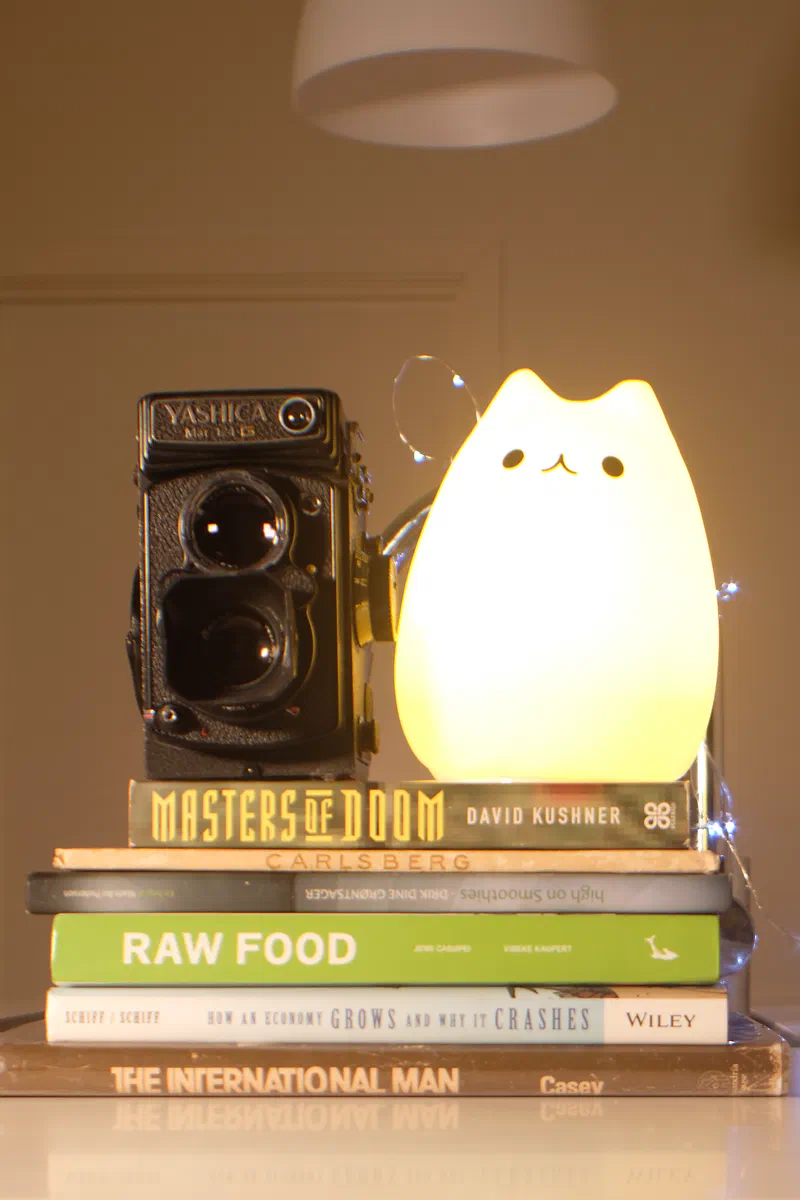
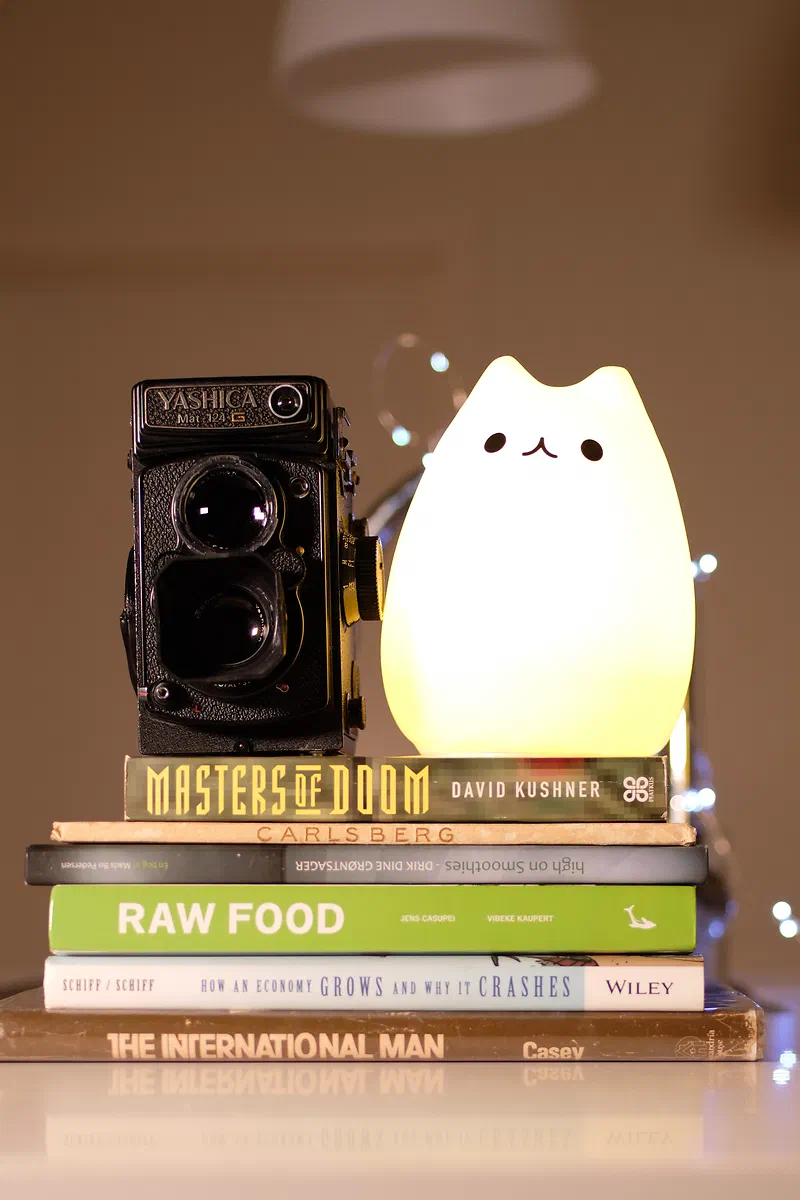
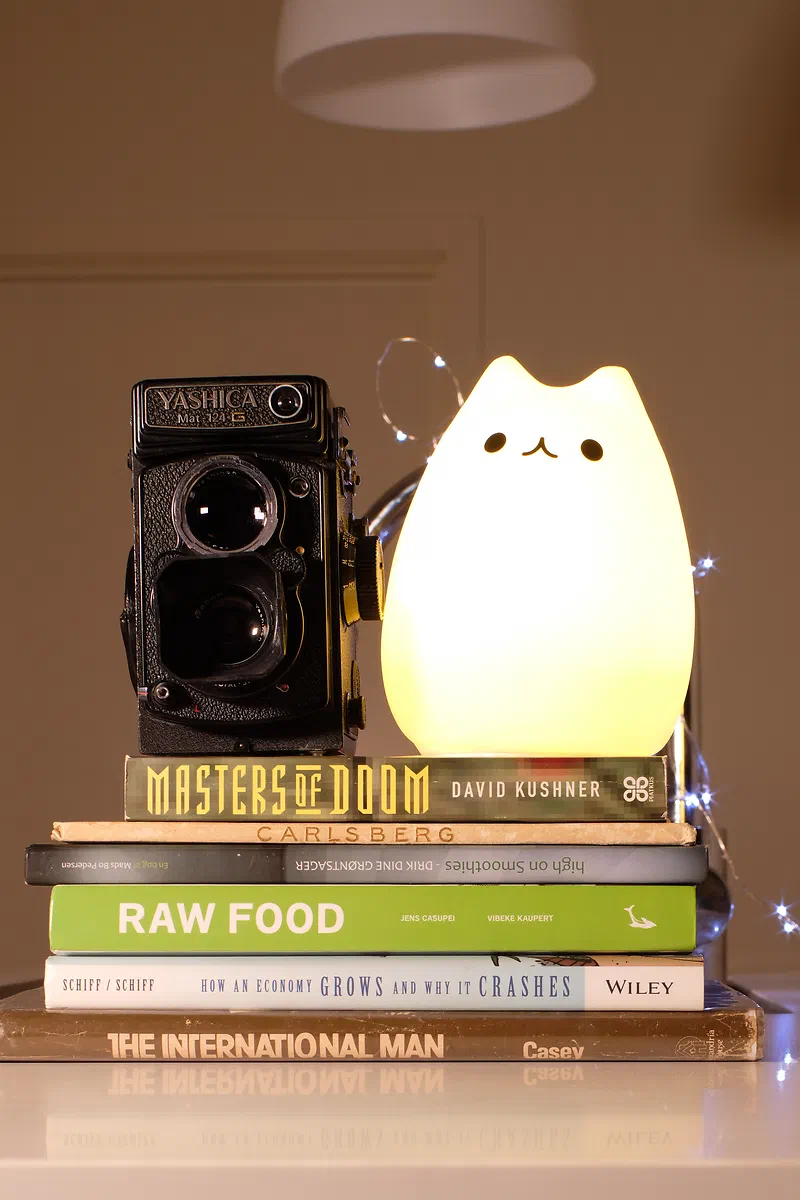
I don’t have any experience comparing lenses like this, so I apologize if I’ve overlooked something. The test was done indoors, shooting a bunch of objects on a tripod with the same lighting and the same camera settings (ISO 200, fixed white balance). Since the focal lengths are so different (from very long to very wide), it was hard to get exactly the same framing, but I think it’s still possible to draw conclusions from the test photos.
Does it matter that the lenses were tested on APS-C and not medium format? I don’t think so; it’s just a crop. Cropping digitally or cropping with a smaller sensor is the same thing. But I know some people will disagree.
| Lens name | Sharpness wide open | Sharpness stopped down to f/11 | Image rendition | Bokeh |
|---|---|---|---|---|
| Mamiya 645 Sekor C 300mm f5.6 [photo f5.6] [photo f11] | 6 | 9 | 8 | 3 |
| Mamiya 645 Sekor C 210mm f4 [photo f4] [photo f11] | 7 | 9 | 7 | 5 |
| Mamiya 645 Sekor C 110mm f2.8 [photo f2.8] [photo f11] | 7 | 8 | 7 | 7 |
| Mamiya 645 Sekor C 80mm f2.8 [photo f2.8] [photo f11] | 8 | 9 | 8 | 6 |
| Mamiya 645 Sekor C 80mm f1.9 [photo f1.9] [photo f11] | 7 | 9 | 8 | 7 |
| Mamiya 645 Sekor C 80mm f4 macro [photo f4] [photo f11] | 7 | 8 | 4 | 3 |
| Carl Zeiss Jena Biometar MC 80mm f2.8 [photo f2.8] [photo f11] | 1 | 5 | 3 | 1 |
| Mir 26b 45mm f3.5 [photo f3.5] [photo f11] | 1 | 2 | 1 | 1 |
| Mamiya 645 45mm f2.8 [photo f2.8] [photo f11] | 7 | 8 | 7 | 3 |
| Pentax 6×7 SMC 55mm f4 [photo f4] [photo f11] | 7 | 7 | 6 | 2 |
| Pentax 6×7 SMC Takumar 105mm f2.4 [photo f2.4] [photo f11] | 5 | 6 | 6 | 5 |
| Pentax-A 645 SMC 150mm f3.5 [photo f3.5] [photo f11] | 8 | 7 | 5 | 3 |
| Fujifilm XF 56mm f1.2 (not medium format, only for comparison) [photo f1.2] [photo f11] | 10 | 8 | 10 | 10 |
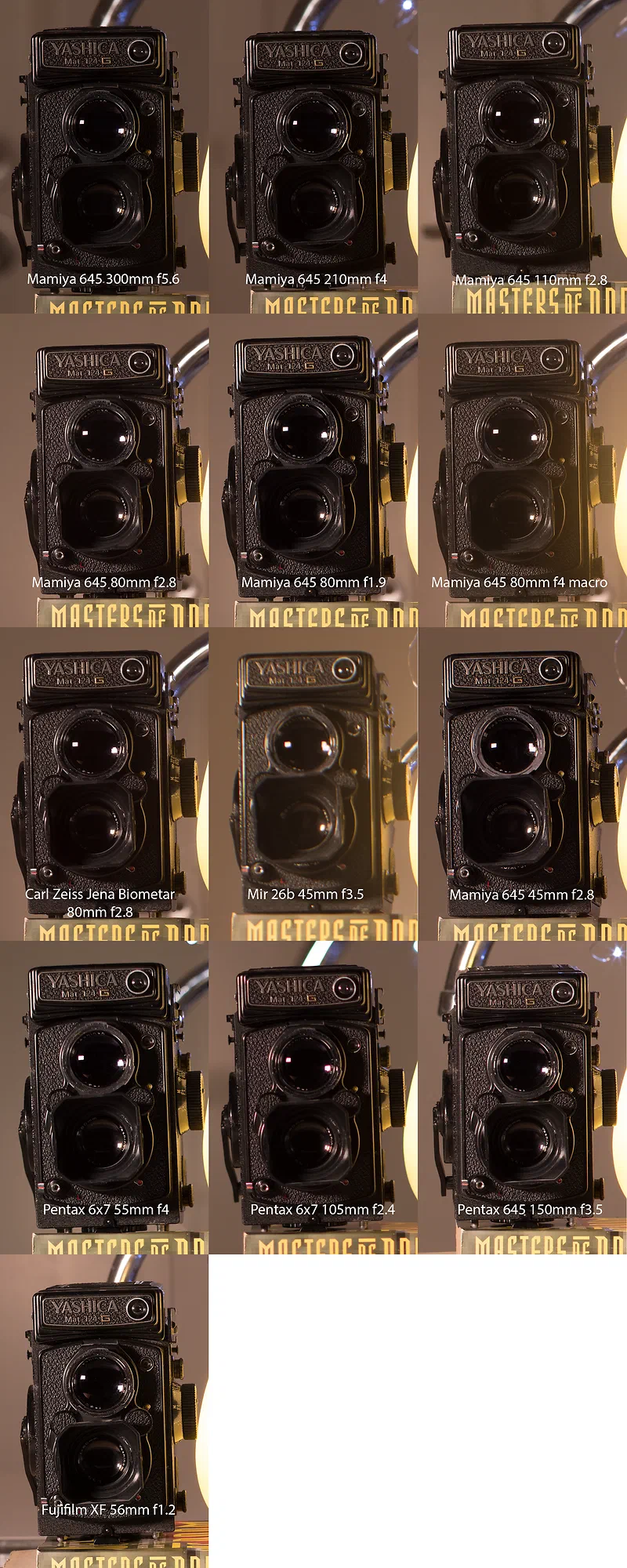
Here’s a small crop from each test photo, shot at f11 from unprocessed raw files.
Conclusion
- Both Pentacon Six lenses (the Carl Zeiss Jena Biometar 80mm f2.8 and the Mir 26b 45mm f3.5) were disappointing. I’d actually heard good things about the Biometar as a portrait lens, and the Mir was supposed to be very sharp. Wide open, both were unusable. Stopped down, the Biometar got better, but the Mir was still unusable. These lenses are a lot older than the others, so I guess that’s why.
- All the Pentax lenses disappointed me, especially the 6×7 lenses. Not only were they a bit less sharp than the Mamiya lenses, they also had a lot of chromatic aberration, giving purple fringing around every object.
- Mamiya lenses are great. This test proves it, and it matches my experience using them. They’re pretty sharp and have quite nice rendering, with a pleasant magenta tint and good micro-contrast. A lot of lenses from the 80s or older have an uncharming look. The Mamiya lenses don’t. Not that they look like modern lenses either; they’re somewhere in between.
- High-quality modern lenses are better than these older medium format lenses. So only get them if you think it’s fun to use them on modern cameras or if you shoot medium format film.