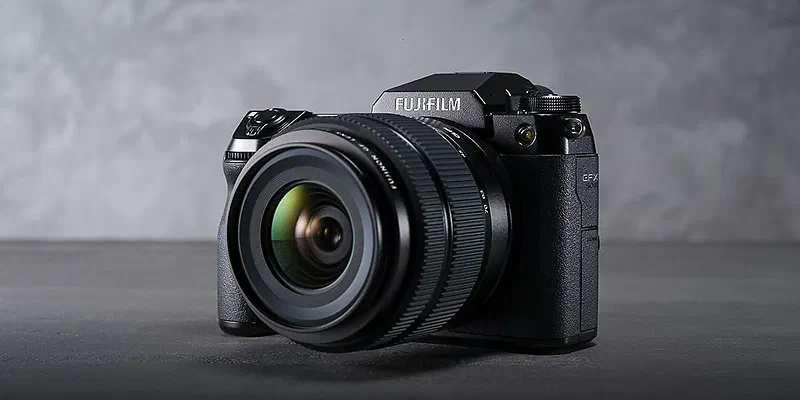
I’ve shot Fujifilm X since late 2014, and even though I’ve tried most other camera systems, I keep coming back to it. The Fujifilm GFX medium format cameras had been on my list for a while, and once used prices came down, the GFX 50S II looked like the sensible way in: IBIS, 50 megapixels and a reasonable price.
I bought one, and sold it again 1½ months later. Here’s why.
Image quality and colors
A bigger sensor does make a difference. The files are sharp, and you can zoom in and see a lot more detail. But I still preferred the photos from my Fujifilm X cameras.
The main reason is the colors. This sensor isn’t X-Trans, and it’s a common sensor that other brands also use in their medium format cameras. Whatever the cause, it doesn’t give the Fujifilm colors I’m used to. I spent more time editing and still didn’t get the results I wanted.
The GFX 50S II can of course produce great images, since light and subject matter more than gear. My point is how it compares to the alternatives: Fujifilm X has better colors in a much smaller package, and Sony E has lenses that are both very sharp and have micro-contrast.
Lenses
I owned the Fujifilm GF 63mm f2.8 R WR, borrowed the GF 45mm f2.8 R WR and the GF 35-70mm f4.5-5.6 WR, and later bought the Mitakon Speedmaster 65mm f1.4. That’s only a small part of the lineup.
The Fujifilm lenses I tried were sharp but clinical, without much character, micro-contrast or 3D pop. I ended up adding clarity in Lightroom to almost every photo, which I normally never do. The Mitakon has more character, but it couldn’t fix the colors.
Many people complain about the autofocus on the GF lenses. That didn’t bother me.
Size
The system is big. I’ve used bigger cameras, like the Phase One DF+, but with the GFX the size wasn’t worth what I got out of it. A bigger sensor means bigger lenses, and since the GF lenses have fairly slow apertures, you don’t gain much in low light or bokeh.
Conclusion
If you’re a hobbyist shooting street, cityscapes or documentary like me, the GFX probably isn’t the right tool.
I think it suits professionals doing product or fashion work in a studio, who need all the resolution they can get and whose clients won’t notice the colors. It can also suit photographers who edit heavily, like HDR landscape photographers or film shooters using film-emulation presets. If you’re coming from Fujifilm X, you’ll probably find the raw files sterile.
I lost a fair amount of money on this experiment, so take it as a warning if you’re thinking about doing the same.
Video
Photos
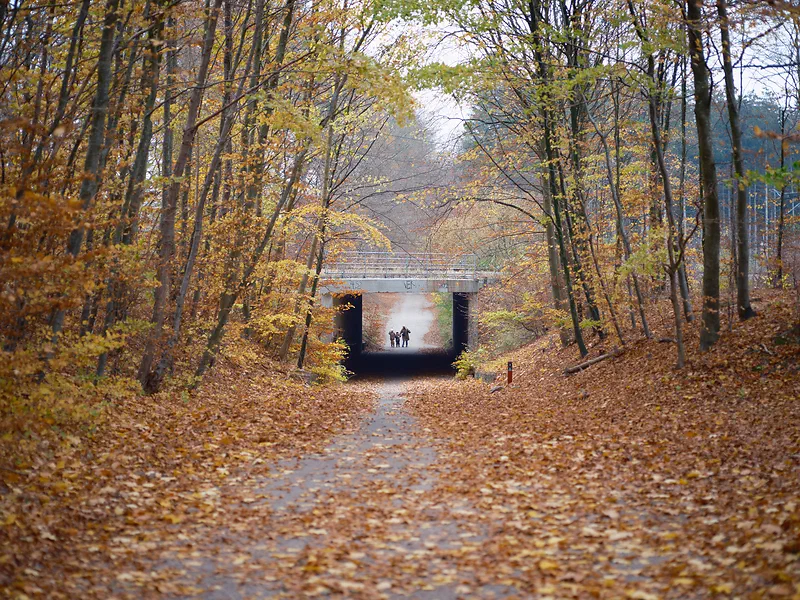
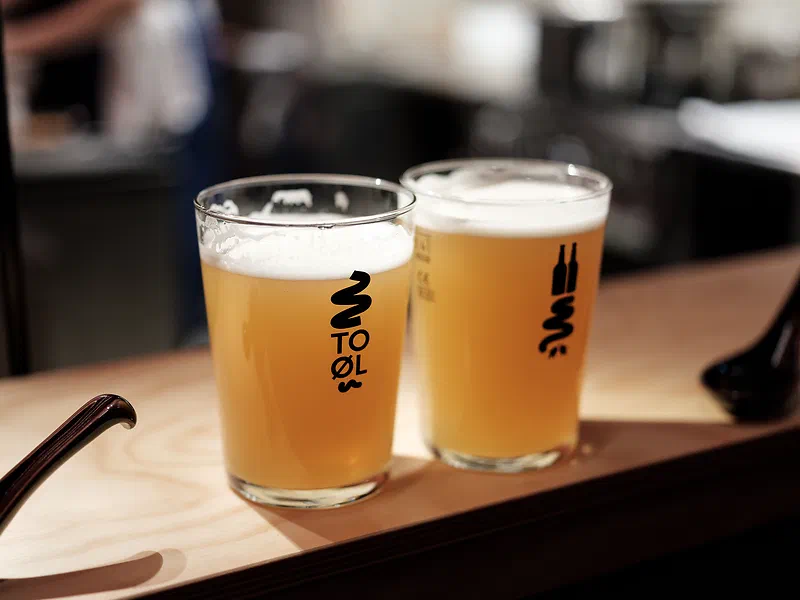
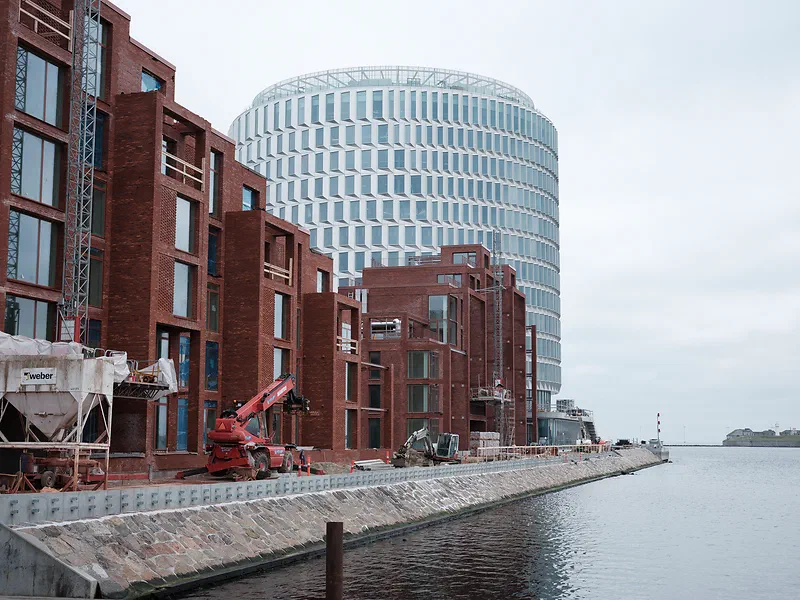
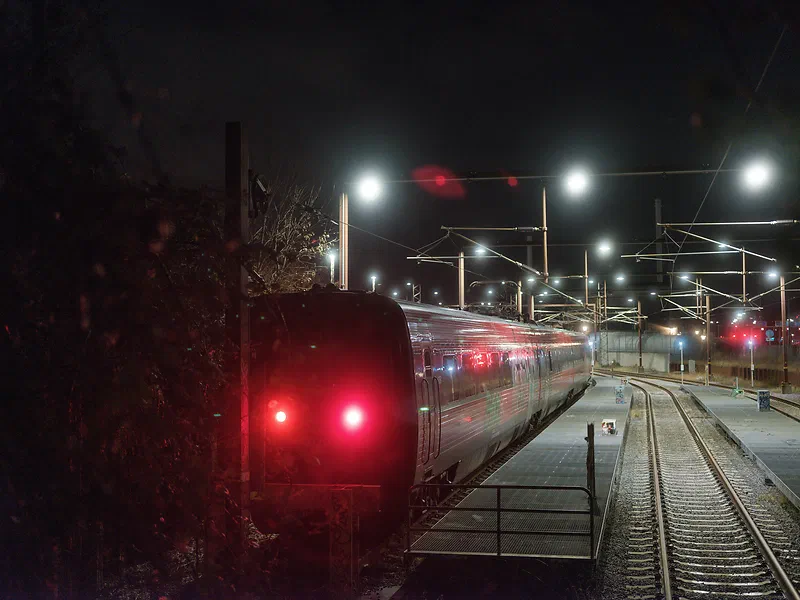
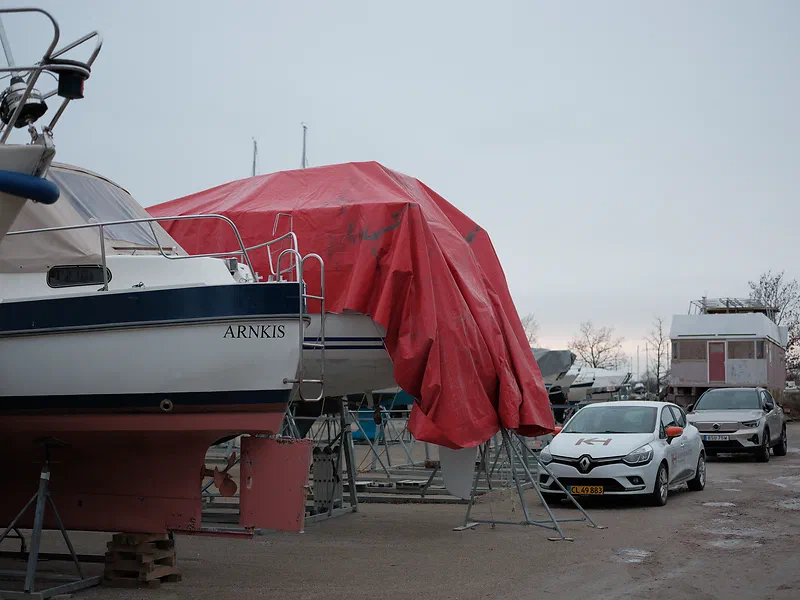
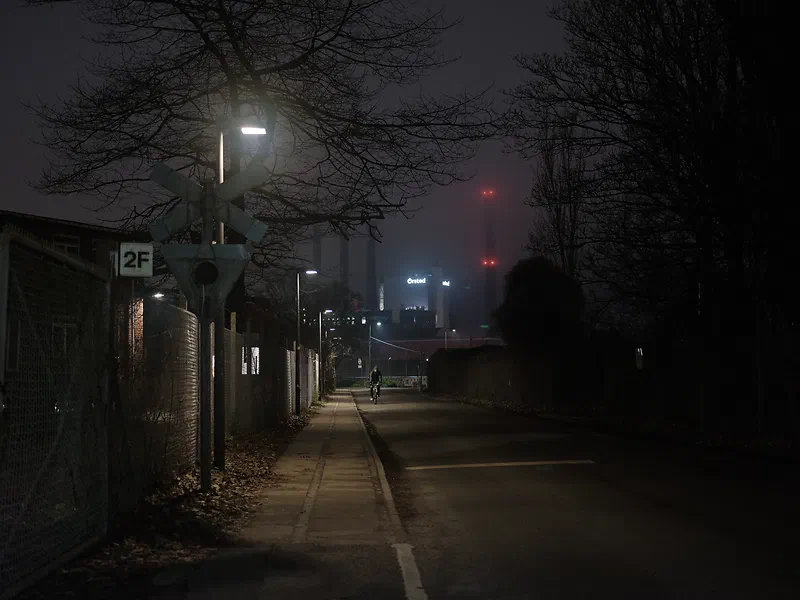
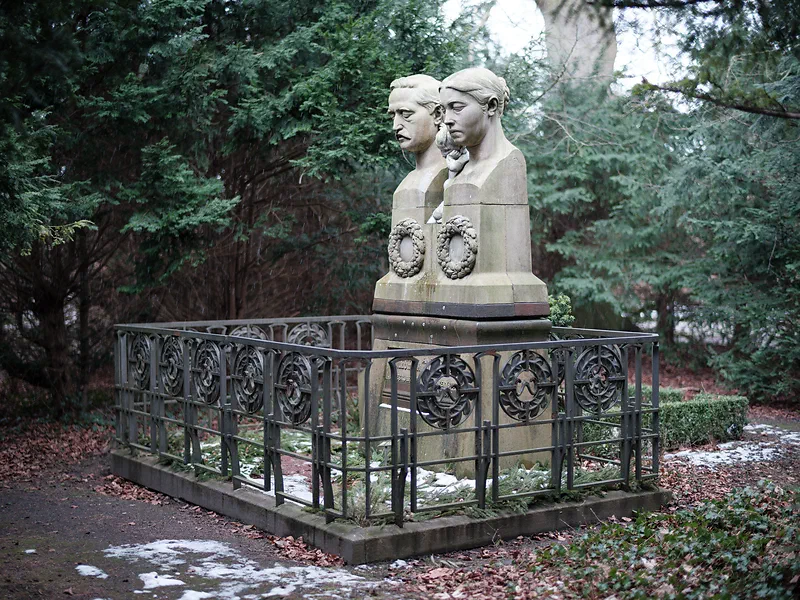
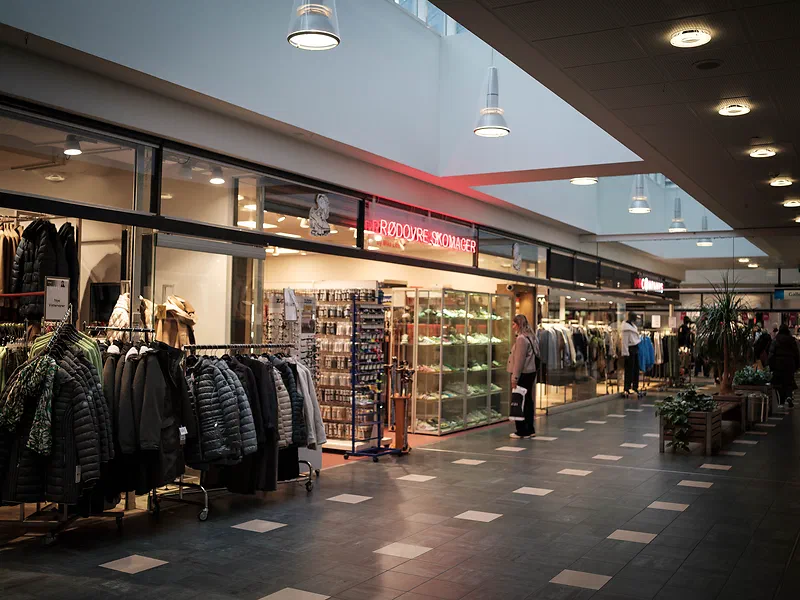
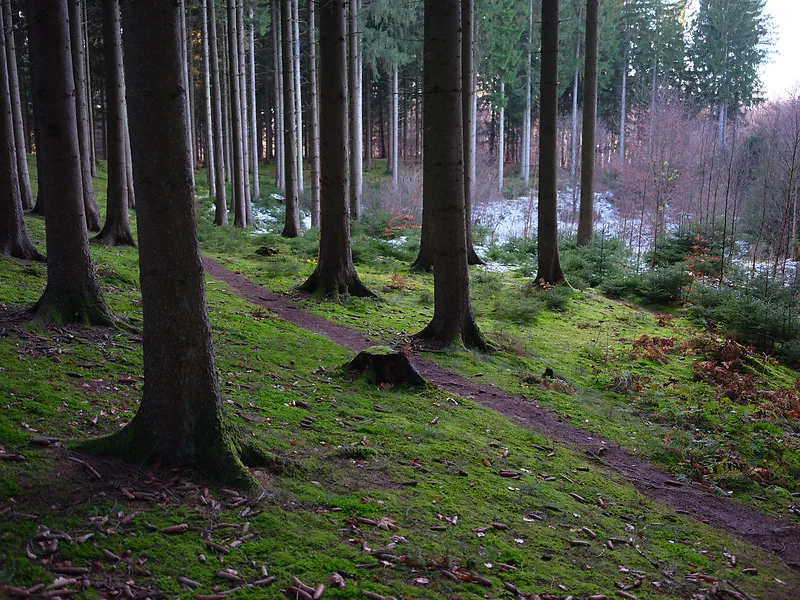
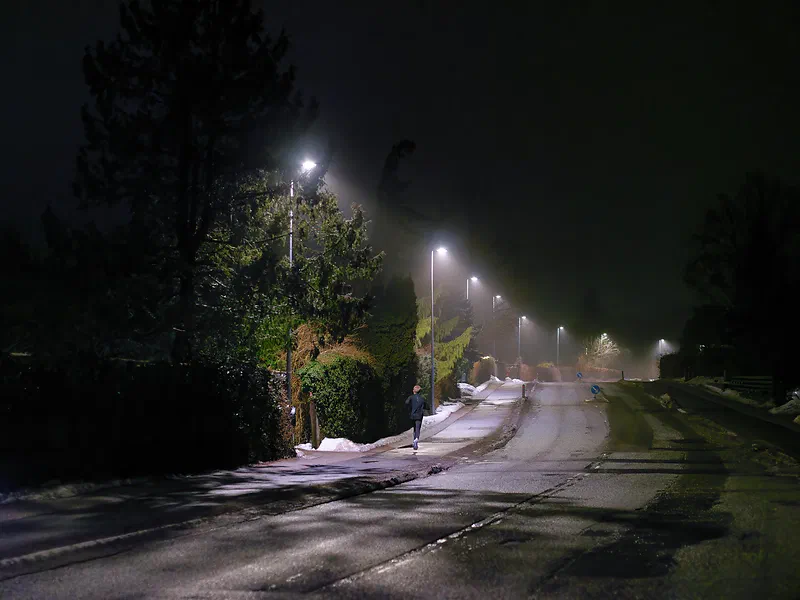
I added this section later. These are photos taken with the Fujifilm GFX 50S and GFX 50S II.