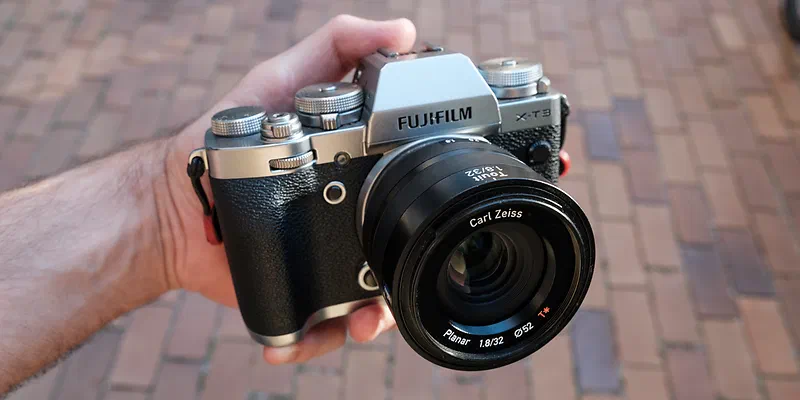
I had never heard much praise for Zeiss Touit lenses for Fujifilm X mount until I watched GxAce’s review of the Zeiss Touit 32mm f1.8 last year. I bought the lens back then and have now been using it for a year, and these are my thoughts about it.
The lens is very expensive brand new compared to Fujifilm lenses, which is probably why it never became very popular. But used, you can find it pretty cheap. eBay prices are still high, but I found one locally for very little.
Specifications
- Focal length: 32mm (48mm full frame equivalent)
- Aperture: f1.8 – f22, 9 aperture blades
- Optical design: Planar, 8 elements in 5 groups
- Minimum focus distance: 30cm (0.11x magnification)
- Filter size: 52mm
- Weight: 210g
Impressions
The build quality feels very nice, and you do feel like you’re getting something more than just a normal lens. The Zeiss finish on the outside feels nice to hold. As people complain, the aperture ring is easily changed by accident, but it’s not that big a problem for me.
People often mention this lens’s bad autofocus, but I think that’s a bit unfair. First of all, you need to update the firmware on this lens; a lot of people forget this. When it was first released, it didn’t even have phase detection autofocus. Download firmware 1.0.3 here. The update is done the same way as with Fujifilm lenses: put the firmware on an SD card and power on the camera while holding the DISP/BACK button.
With the firmware updated, the autofocus is pretty good. It performs about the same as the slowest Fujifilm lenses, like the Fujifilm XF 56mm f1.2. And that’s fine for me.
Image quality
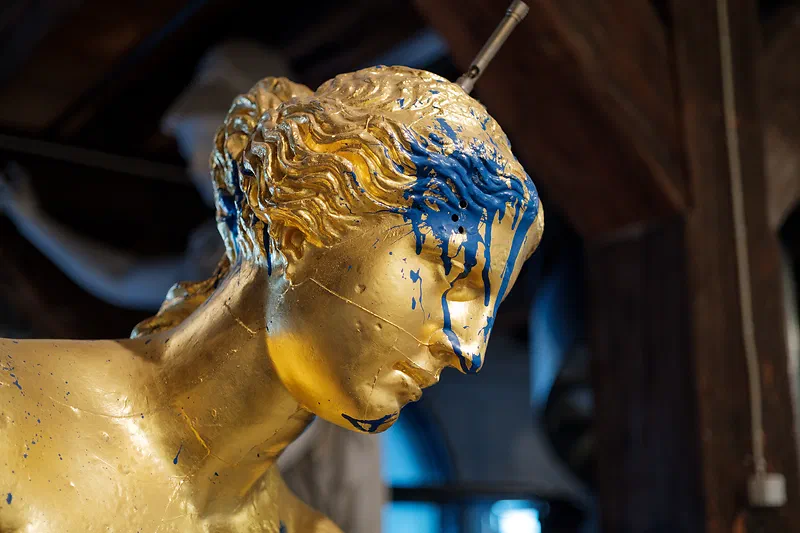
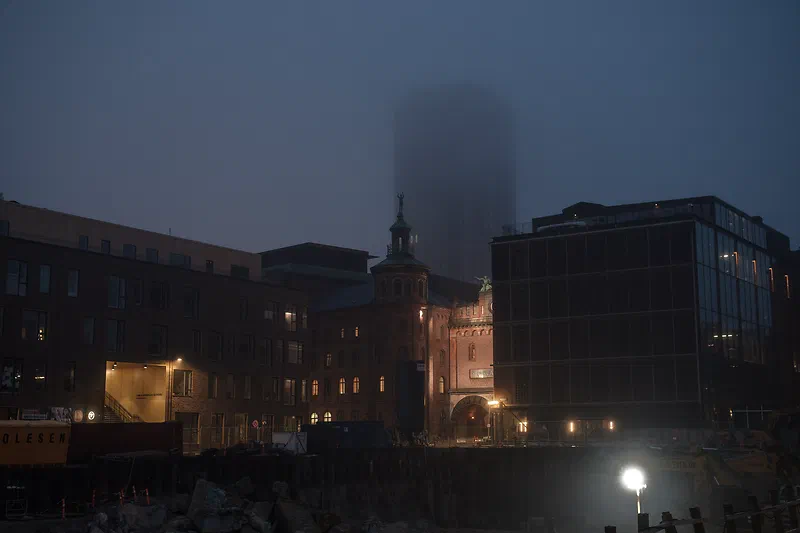
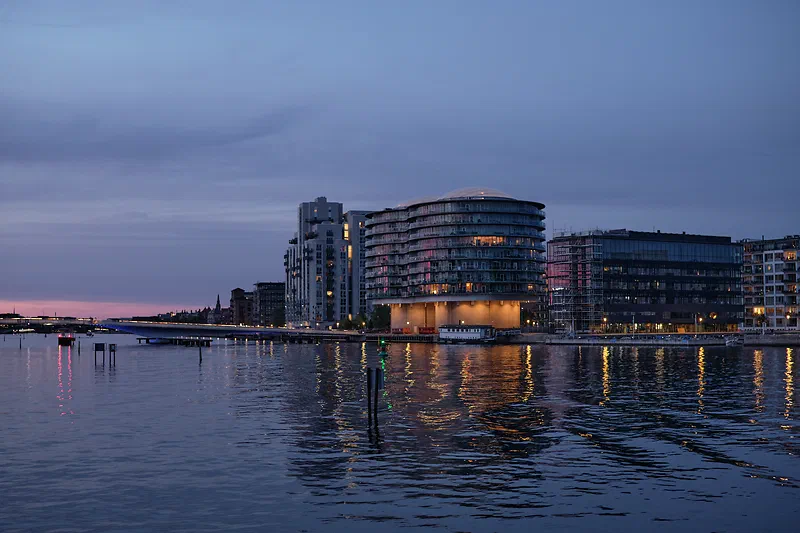
The image quality wowed me very quickly. There’s a different look to the images. GxAce compared the lens to the Carl Zeiss Planar 45mm f2.0 for Contax G; both use the same Planar lens design. Both lenses seem to have the same iconic busy bokeh, which I have to admit can look very good. Lens reviewers these days only favor perfectly round bokeh balls, but I’ve grown very tired of those.

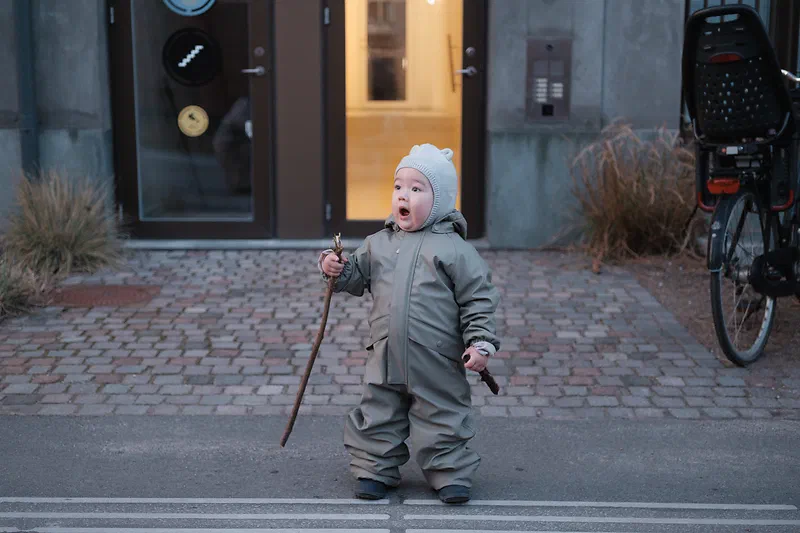
There’s also a certain sharpness to the look of the images, the so-called Zeiss pop: the way highlights almost shine, making subjects look sharper. It doesn’t “pop” in every situation, but sometimes you get something that looks quite unique.
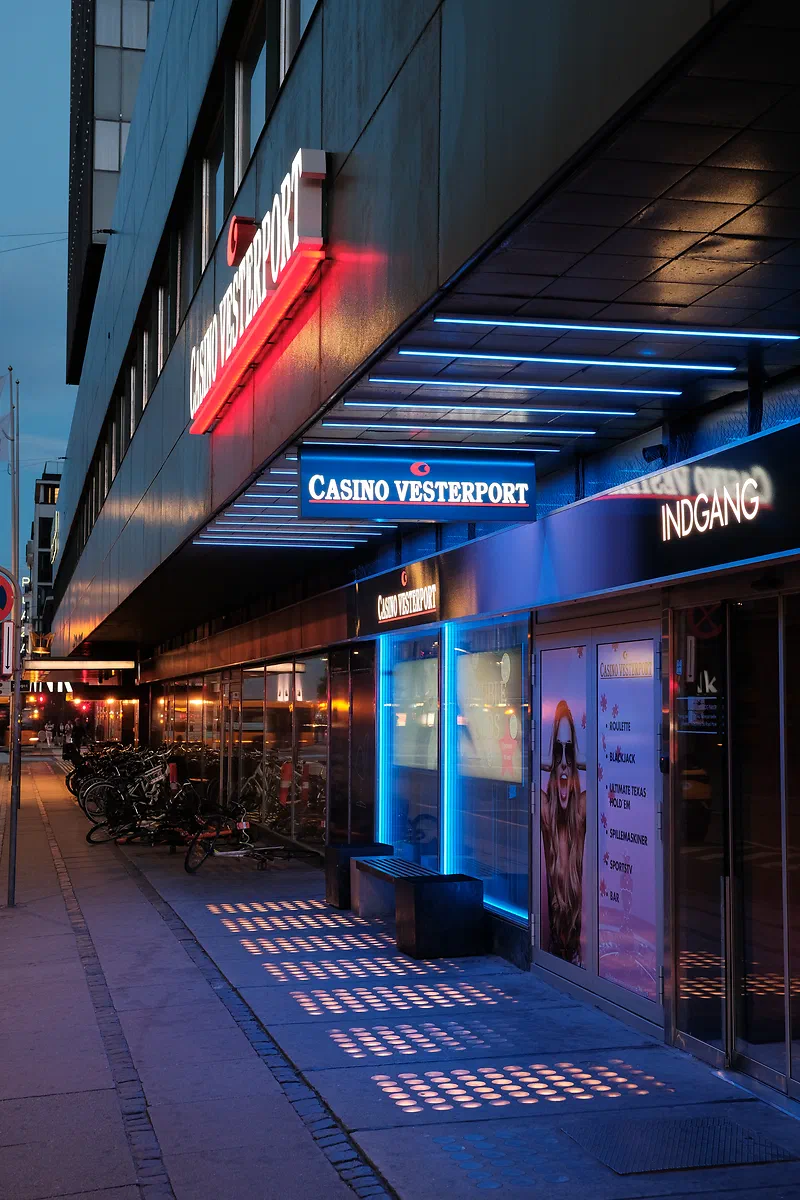
Colors are also very good on this lens. Third-party lenses often have poor colors compared to native lenses, but this one is as good or even better.
With their new Sony E-mount lenses, Zeiss seems to have moved away from its old design philosophy, now favoring pixel-peeping sharpness over micro-contrast or “Zeiss pop”. All their new lenses are autofocus, but all their old legendary lenses are manual focus (even the ones for Nikon F and Canon EF). That makes this lens something special: maybe the only Zeiss lens with the old design philosophy and autofocus? I guess the Contax G and Contax 645 lenses are exceptions, but those are for analog cameras.
Sadly, the Zeiss Touit lineup flopped when it was released, and there probably won’t be any more lenses. I was so hooked on “the Zeiss look” when I first got this lens that I also bought the Zeiss Touit 12mm f2.8, but that lens didn’t do much for me and I sold it (maybe that’s just me; I’m not the wide-angle type).
The biggest downside of this lens for me is that it’s hard to throw things out of focus at 32mm and f1.8. A 35mm or 40mm gives noticeably more bokeh than 32mm, and I wish the f1.8 were an f1.4 or f1.2. I’m not a bokeh addict, but with this lens it’s hard to get out-of-focus areas unless your subject is close, and personally I like some background blur even in my cityscape photos.

Conclusion
This is not the perfect 35mm-ish lens, but it’s a nice lens to own. The new Fujifilm XF 33mm f1.4 R LM WR is probably the best high-quality option for Fujifilm X mount (I’ve never tried it though; that’s based on reviews). There’s also the older Fujifilm XF 35mm f1.4 R (probably cheap used right now), which is a bit smaller, lets in more light and gives you more bokeh. And then there’s the Fujifilm XF 35mm f2 R WR: small, cheap and weather sealed, a great little street lens.
Compared to those lenses, which all give very good image quality and good autofocus, the Zeiss isn’t the first ~35mm lens you should get for your Fujifilm system, but rather the one you get when you want to try something different. Are you bored of the look of modern lenses and want something different, but still with modern features? Then this is probably for you.
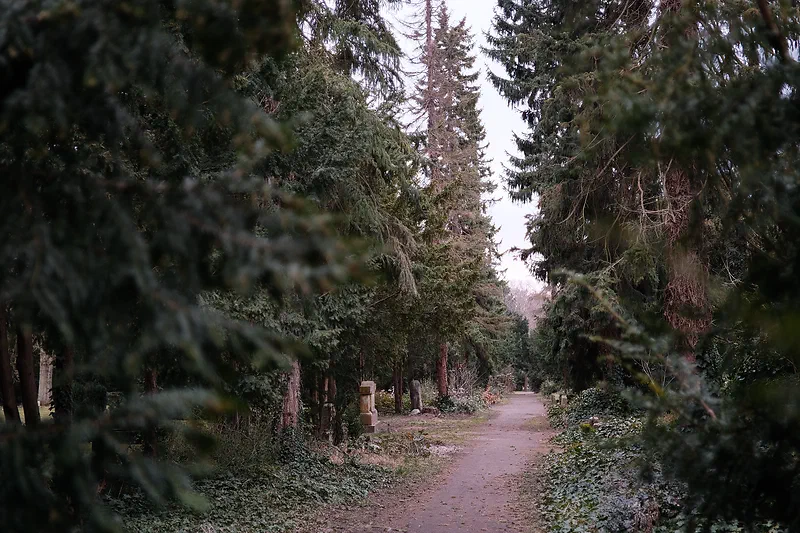
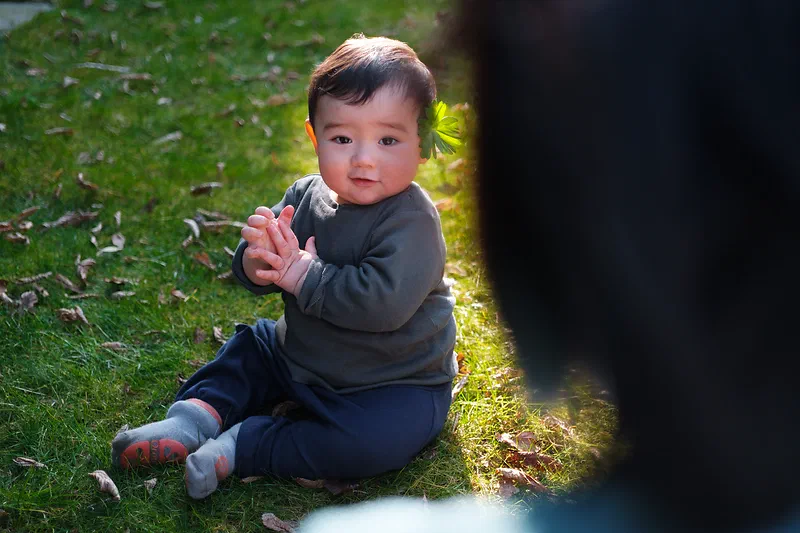
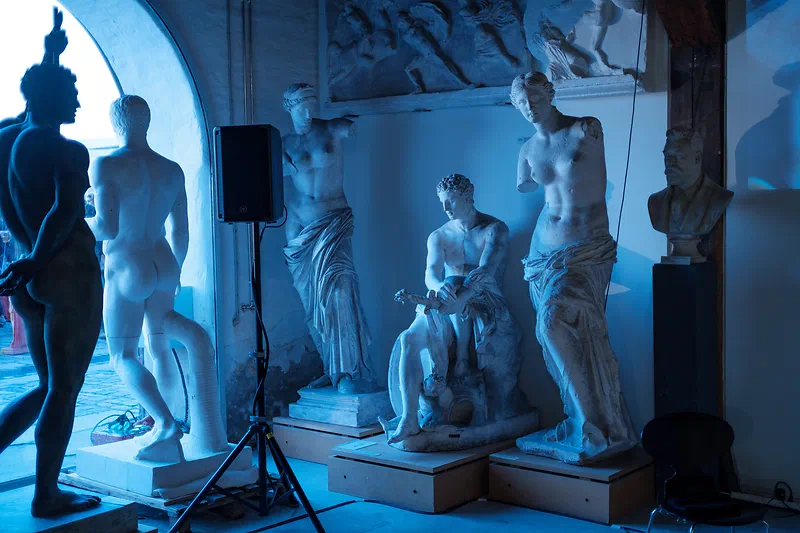
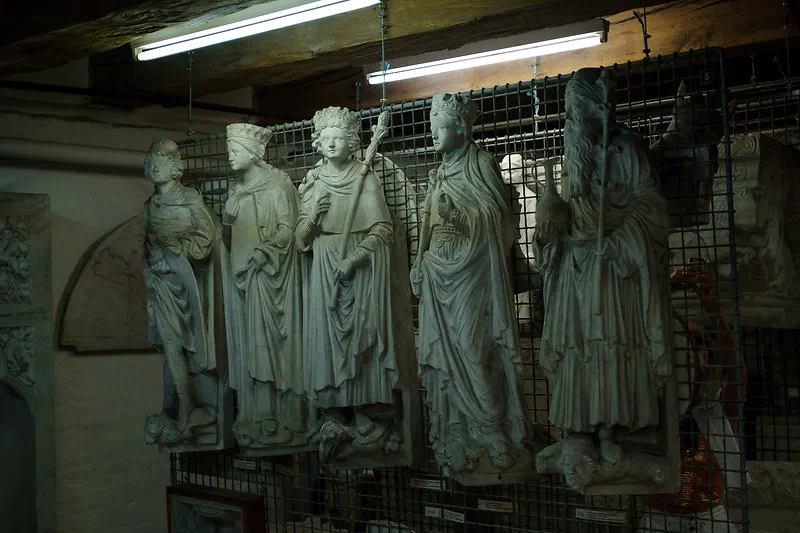
Here are more sample photos, all shot with the Zeiss Touit 32mm f1.8: