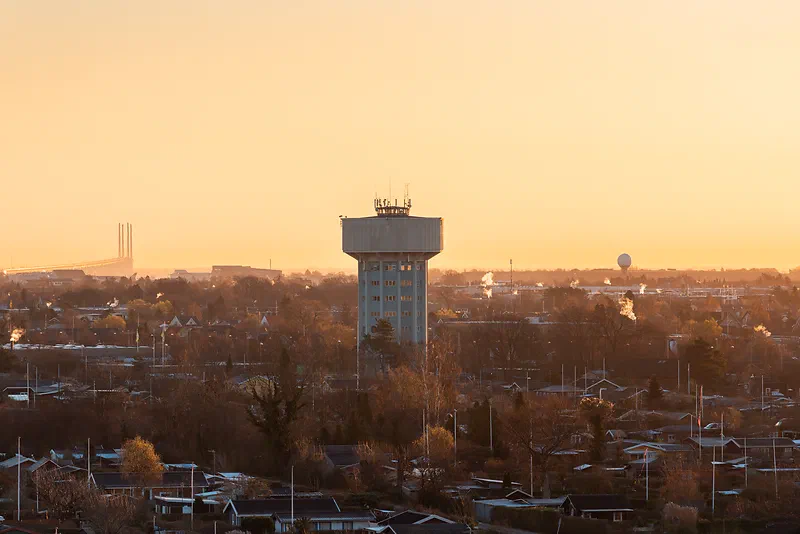
I decided to try Sony’s full frame cameras after being a little disappointed with the Fujifilm X-T3’s sensor, which almost felt like a step back from the X-T2. I had started shooting more cityscapes and landscapes, and for those kinds of subjects, dynamic range, sharpness and image noise matter.
Note: I later figured out how to work with the X-T3 in those situations: use Capture One, and make sure to shoot at base ISO (Fujifilm cameras often default to a higher ISO).
The best technology
I ended up picking up a Sony A7R III with a few lenses. There’s an A7R IV now with 61 megapixels, but I figured the III’s 42 megapixels would be enough for me.
There’s no doubt that if you want the most features and the latest technology, you should pick Sony. I knew that going in, but I was still blown away by the camera when I first got it.
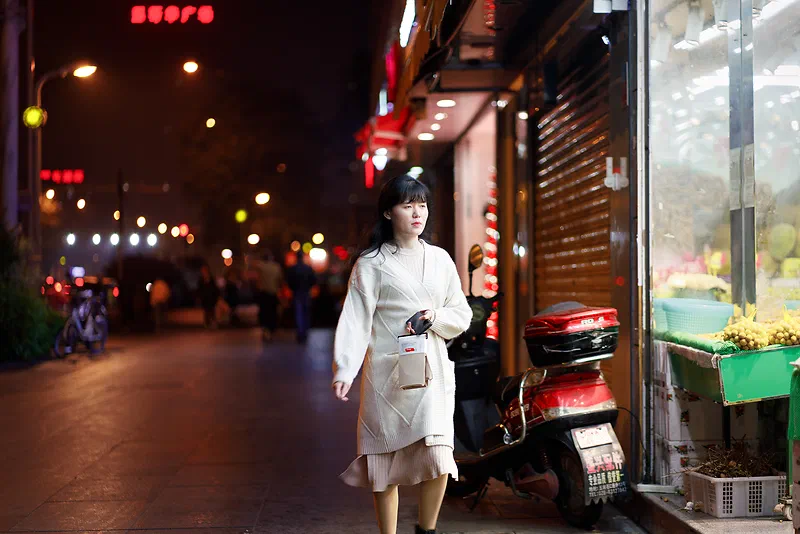
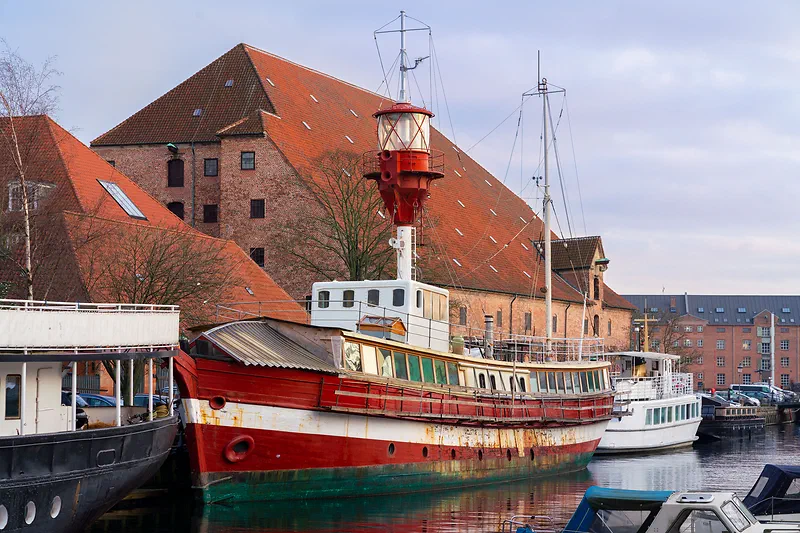
The image quality was on a whole different level from anything I’d seen before, compared to the APS-C and Canon full frame cameras I had used previously. Suddenly dynamic range is no longer a problem. And the level of detail in every shot is incredible.
You start using the camera differently when you have 42 megapixels. The crop mode is very useful: it crops to APS-C and still gives you 18 megapixels.
Lenses
Here are the lenses I bought and tested:
- Sony Sonnar T* FE 35mm F2.8 ZA: I was a little disappointed by this lens for the price. The only positive thing I can say is that it’s small. Not bad, but nothing special.
- Sony FE 55mm F1.8 ZA: It’s supposed to be one of the sharpest lenses around, and it is. It’s a great lens.
- Sony FE 85mm f1.8: My favorite of the Sony lenses I tested. Best value for money, small, sharp – I love it.
- Tamron 28-75mm F/2.8 Di III RXD: A great zoom lens for professional work. Together with the camera’s IBIS and the sensor’s low-ISO performance, it makes a great “small” zoom combo with the A7R III.
- Sony FE 70-200mm F2.8 GM OSS: A very sharp lens, but for me it’s just too big and heavy. I ended up returning it. I borrowed the f4 version from a friend, and that’s probably the better option unless you use it a lot, though it lacks a certain pop in the images.
In general, the Sony lens lineup has become very good. It had a bad reputation in the beginning, but now you have both the most high-end lenses and some that are smaller or better value.
Overall, I was pleasantly surprised. But if I have to say something negative, it’s that they all look very clinical, with low micro-contrast and boring rendering. That’s the direction all lens makers are heading these years because of the pixel-peeping reviewers, but Sony seems especially affected. Of course, you can still adapt lenses with more character, and Sony cameras are among the best for adapting lenses.
Also read my review of the Sony LA-EA4, which adapts old A-mount Sony and Minolta lenses.
Color Science
I know a lot of people will tell you that a camera’s colors don’t matter, but to me they do. If you edit your photos heavily, e.g. going for the latest hipster Instagram look or processing your images with some kind of HDR look, you won’t care. But I like a natural look mixed with an analog film look, and then it matters. Besides, it’s also nice to have some straight-out-of-camera JPEGs when you go on a family trip and are too lazy to edit your photos.
When I first tried the camera, I was very disappointed with the colors. Both with the JPEGs and when editing the raw files, it was hard to make them look good. The dark blues wouldn’t turn into the navy blue I like, and the yellows never got the golden look I could get on my Fujifilm. And some colors, like brown, just don’t exist; instead I get a kind of greyish red.
I played around with the colors for months and ended up giving up. I think this is a bigger problem than just mixing colors – I almost think some colors are lost on the Sony. The Sony only works for me when I go for a heavily edited look.

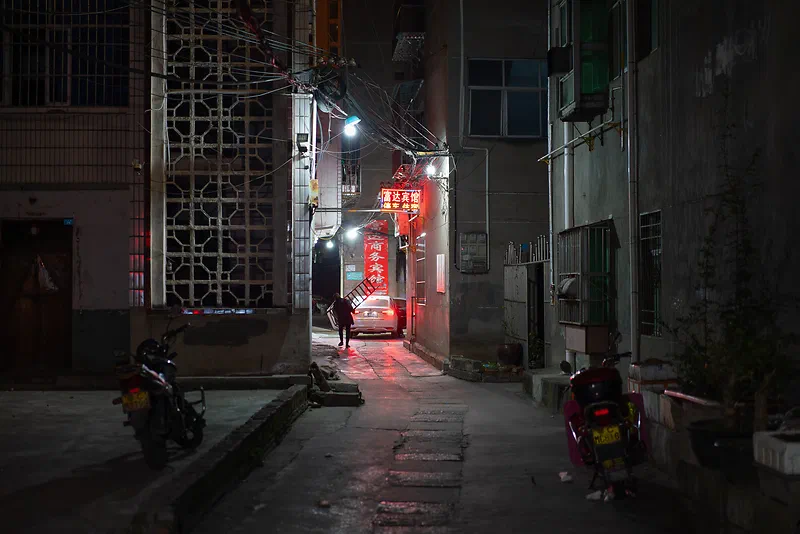
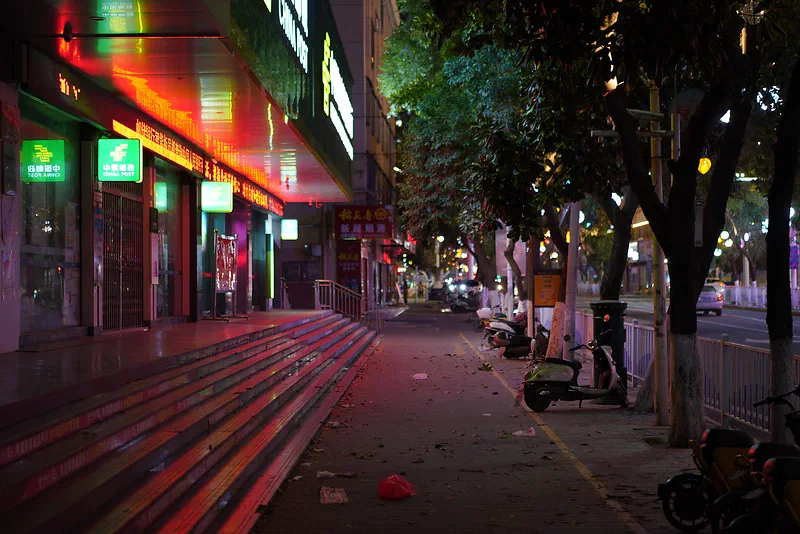
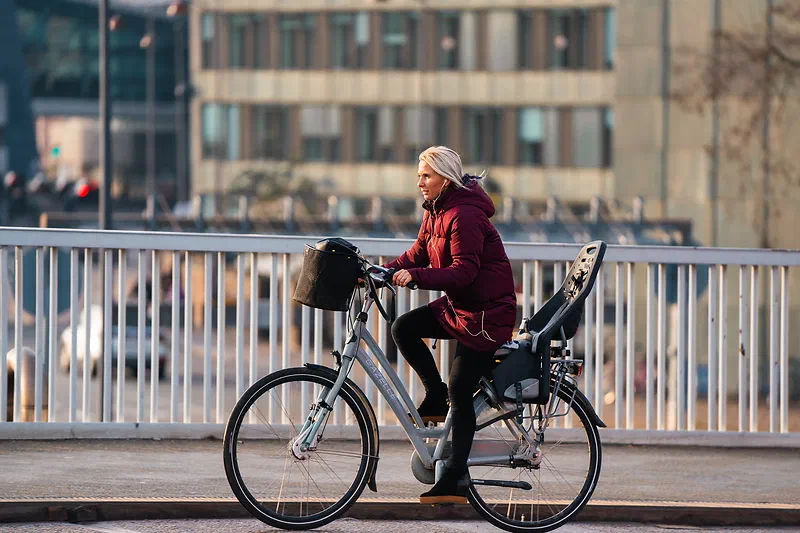
One of the looks I used when traveling in China was the camera’s built-in creative style called “Autumn leaves”. It’s very well suited to traveling in Asian countries, with its low saturation but saturated reds. The reds also look very good from this camera when editing the raw files. But this profile is the only positive when it comes to the camera’s colors.
Autofocus
Autofocus is very good on this camera. In recent months the competitors have caught up with Sony, but when I first tried it, I fell in love with the object tracking mode. It makes all the other focus modes obsolete. Just pick a subject and the camera will track it. Very snappy and easy. It would be a big plus, but all the competitors have it now.
Conclusion
This camera has been very hard to review, and it took me many months to put this review out. On the one hand, it’s the best you can get, but on the other hand, it lacks something that makes me enjoy the photos I take with it.
For me, it’s the colors and the flat look I get from the lenses. Yes, you can pixel peep, zoom in and look at all the details, but that’s not what matters most to me. I have other criticisms too, but this is the most important one.

If colors aren’t important to you, or if you use the camera as a professional tool, Sony’s full frame lineup is probably the best choice out there. And if a Sony had been my first camera, I probably would never have complained.
I realize this is a very personal and emotional conclusion, and to be honest, I felt a bit silly selling all my Sony gear knowing how good it was. But at the end of the day, my passion for photography matters more to me.
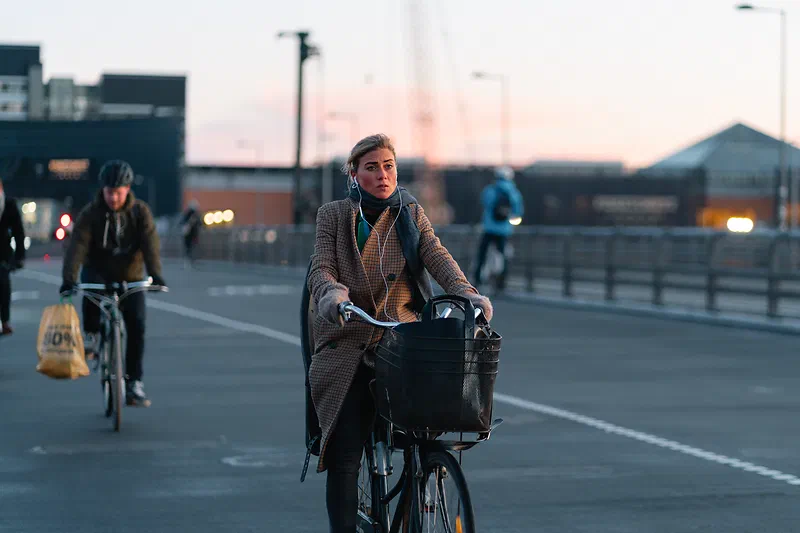
I might get a Sony again one day for street photography at night, maybe a Sony A7 III or the Sony A7S III, which was about to come out when I wrote this. I actually really like the camera for that kind of shooting: super fast autofocus and great low-light performance.
More photos